Passer au contenu principal

Marky Rheaume

MARKY RHÉAUME

JUNIOR LEVEL DESIGNER

/ACTION ADVENTURE

/Level Design Process

Here is my first level design project, completed as part of my CGMA training. The objective is to design a semi-open exploration sequence in a dense jungle, centered on curiosity, readability, and controlled pacing.

This document explains my design intentions and the means employed to achieve them: spatial structure, landmarks, sightlines, challenge/reward placement, as well as a blockout iteration to refine the composition and art direction. Uncharted and Tomb Raider serve as references to calibrate the adventure, flow, and sense of discovery.

/Research and Design ideas

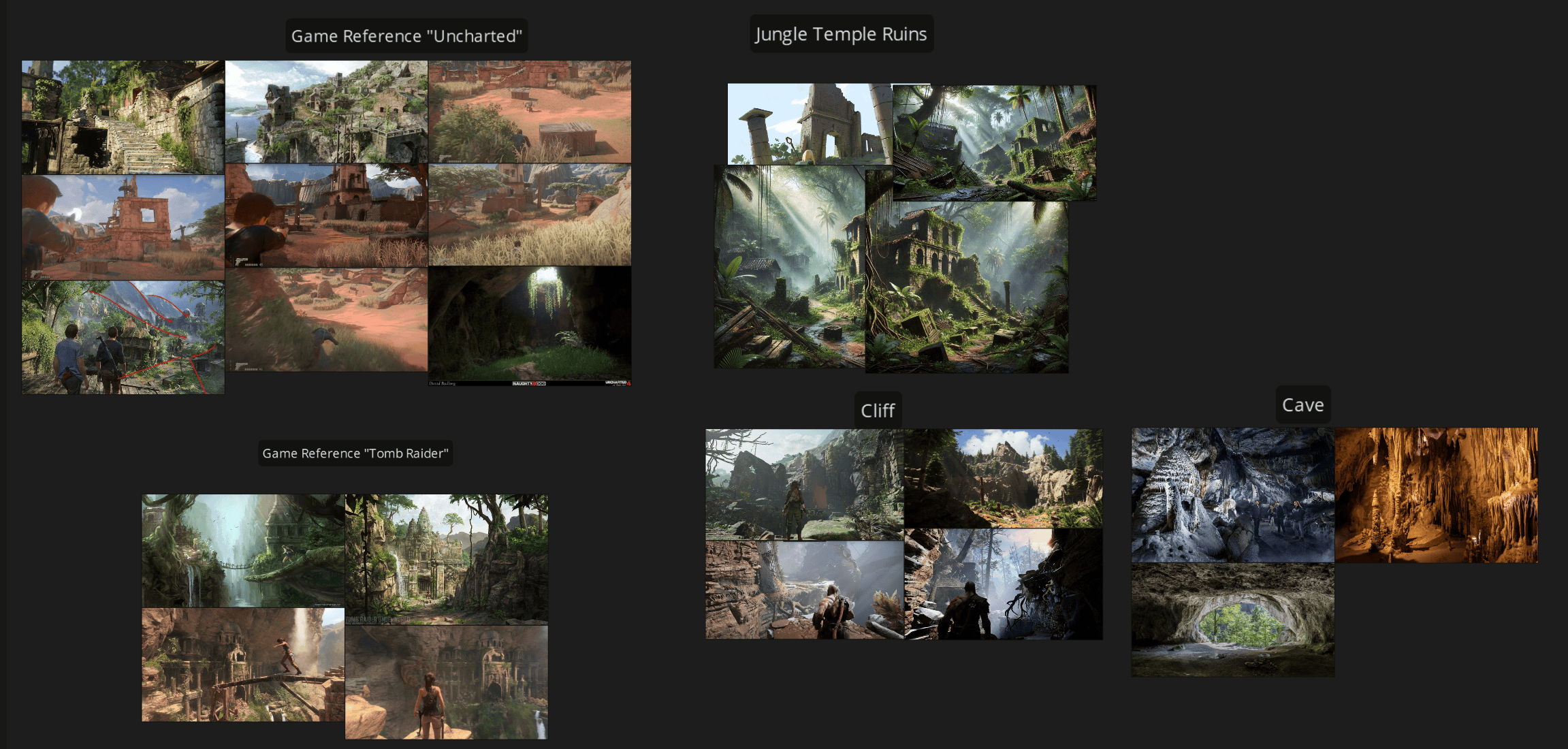
This moodboard accompanies the design document by defining the visual language of the jungle environment. The research focuses on vegetation density, terrain composition, and light behavior in order to support readable navigation (landmarks, sightlines, path framing), while maintaining an adventure tone inspired by Uncharted and Tomb Raider.

/Sketching

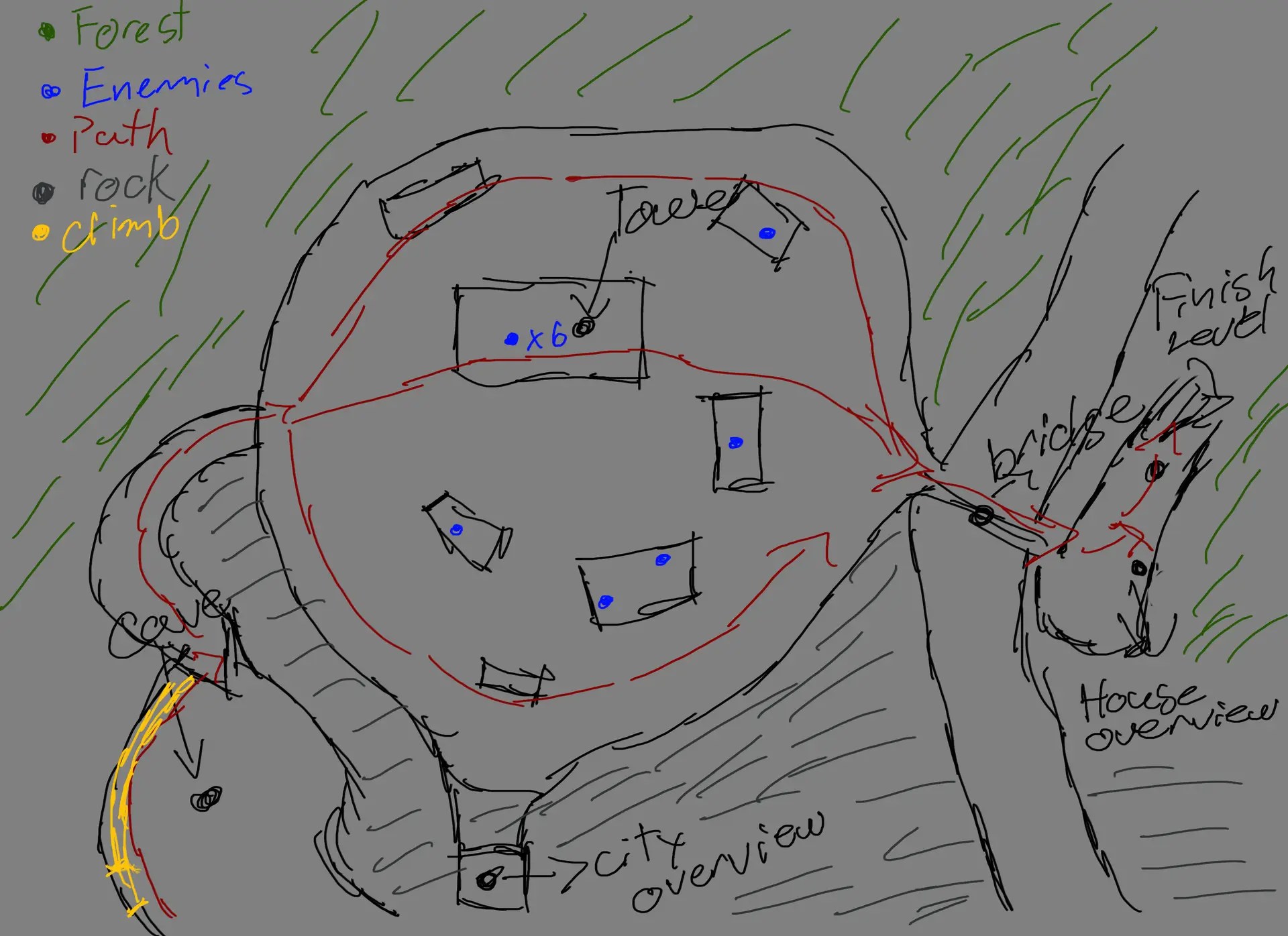
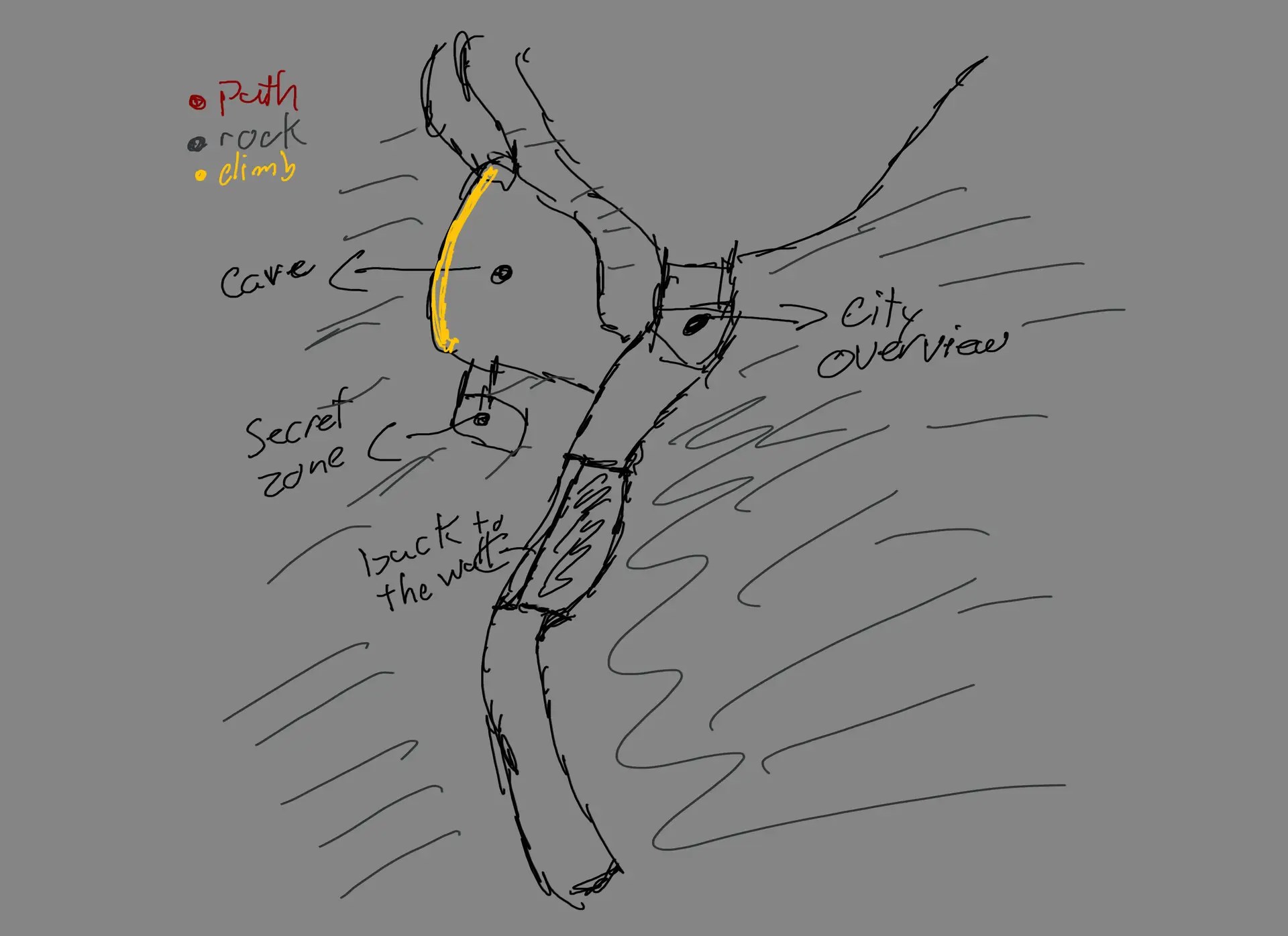
Drawing on references like Uncharted and Tomb Raider, I produced several sketches in order to validate the overall structure, critical path, and pacing curve before the blockout.

The level’s rhythm is based on a balance between exploration, traversal/climbing, combat, and infiltration, translated through the alternation of open zones, more guided segments, and moments of tension/breathing.

The level is divided into two main sections. The first, set in a mountainous area, uses landmarks and sightlines to progressively orient the player toward a cave entrance, which serves as a transition and establishes the objective for the next exploration phase.
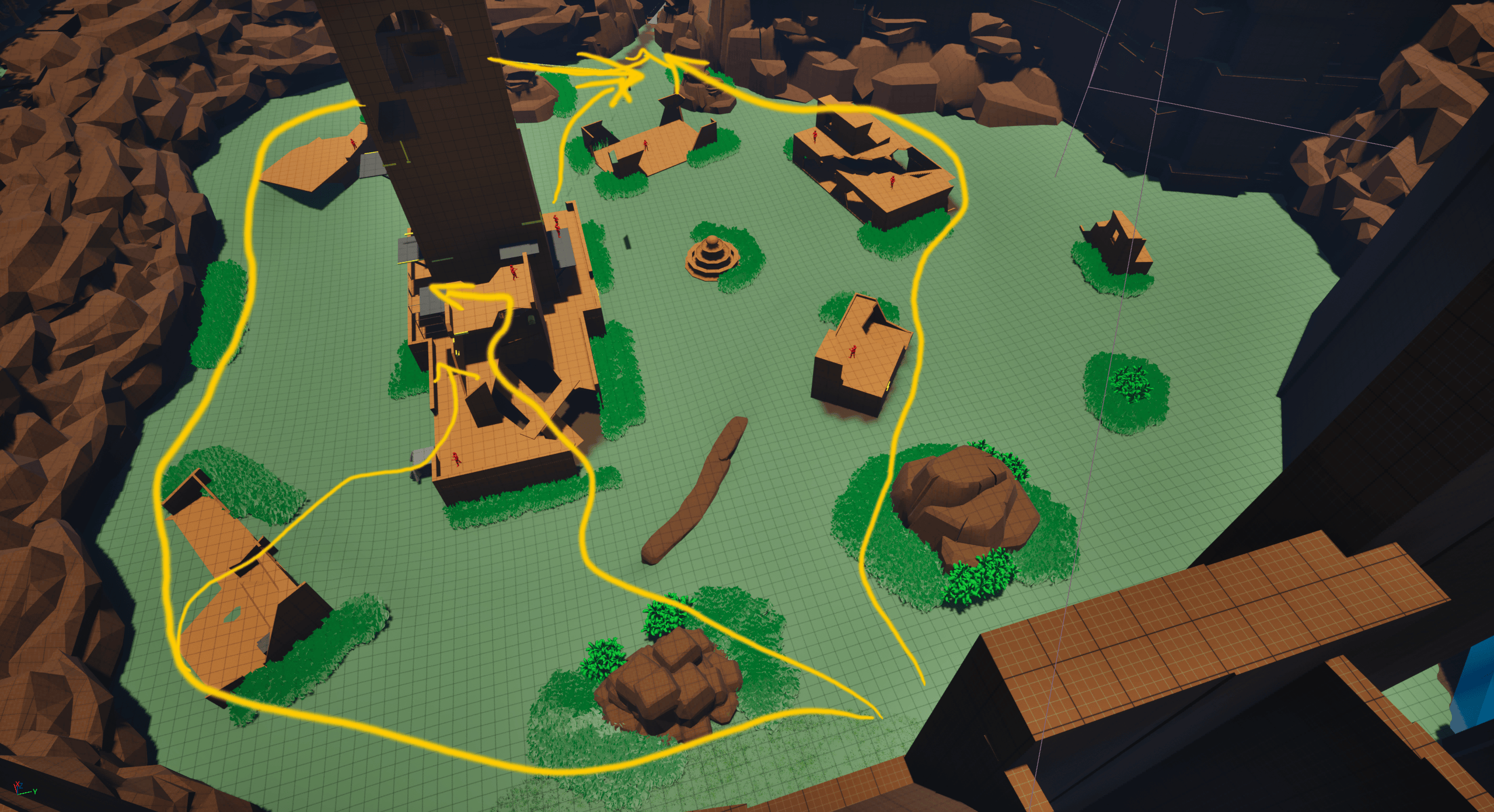
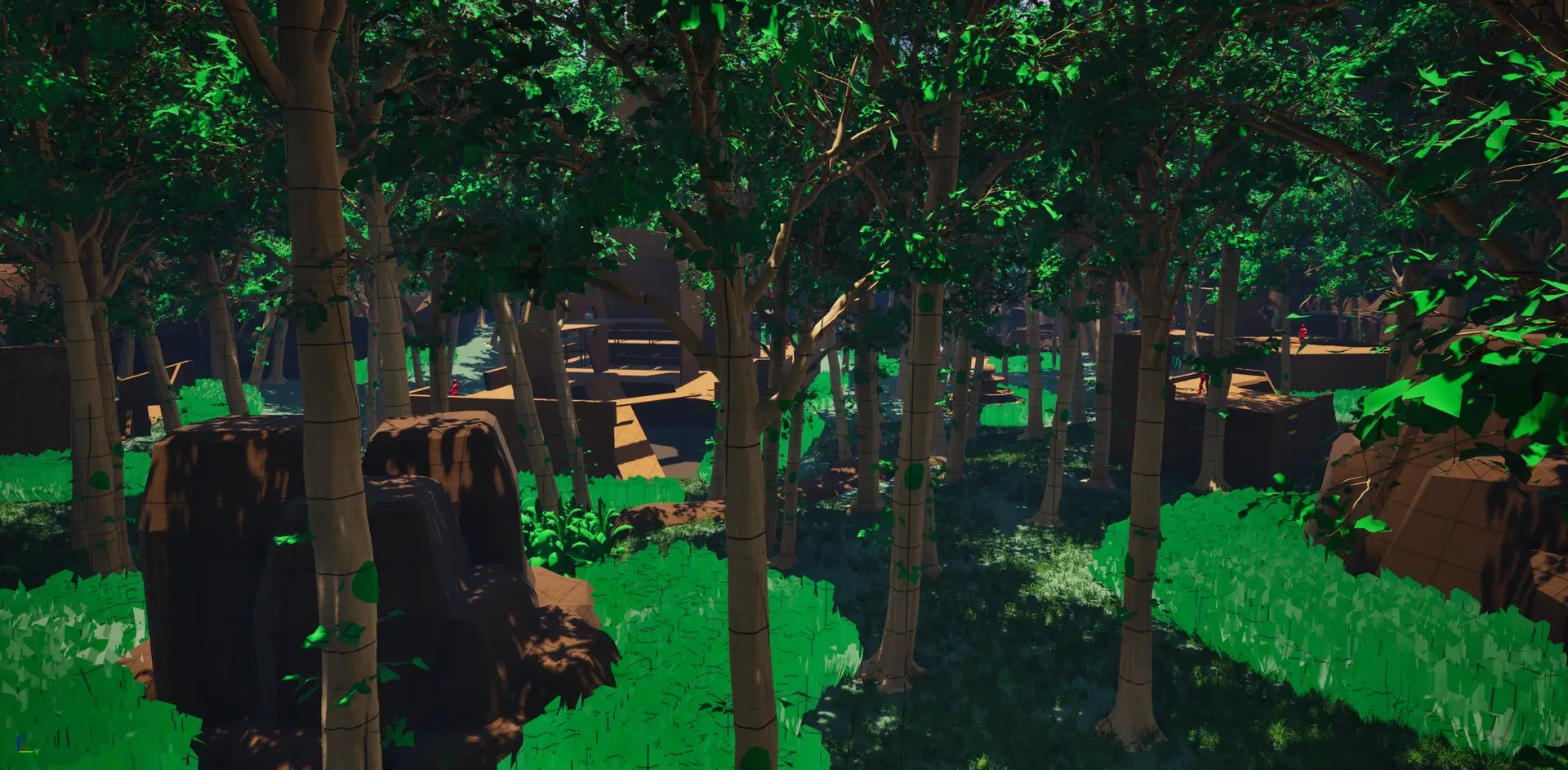
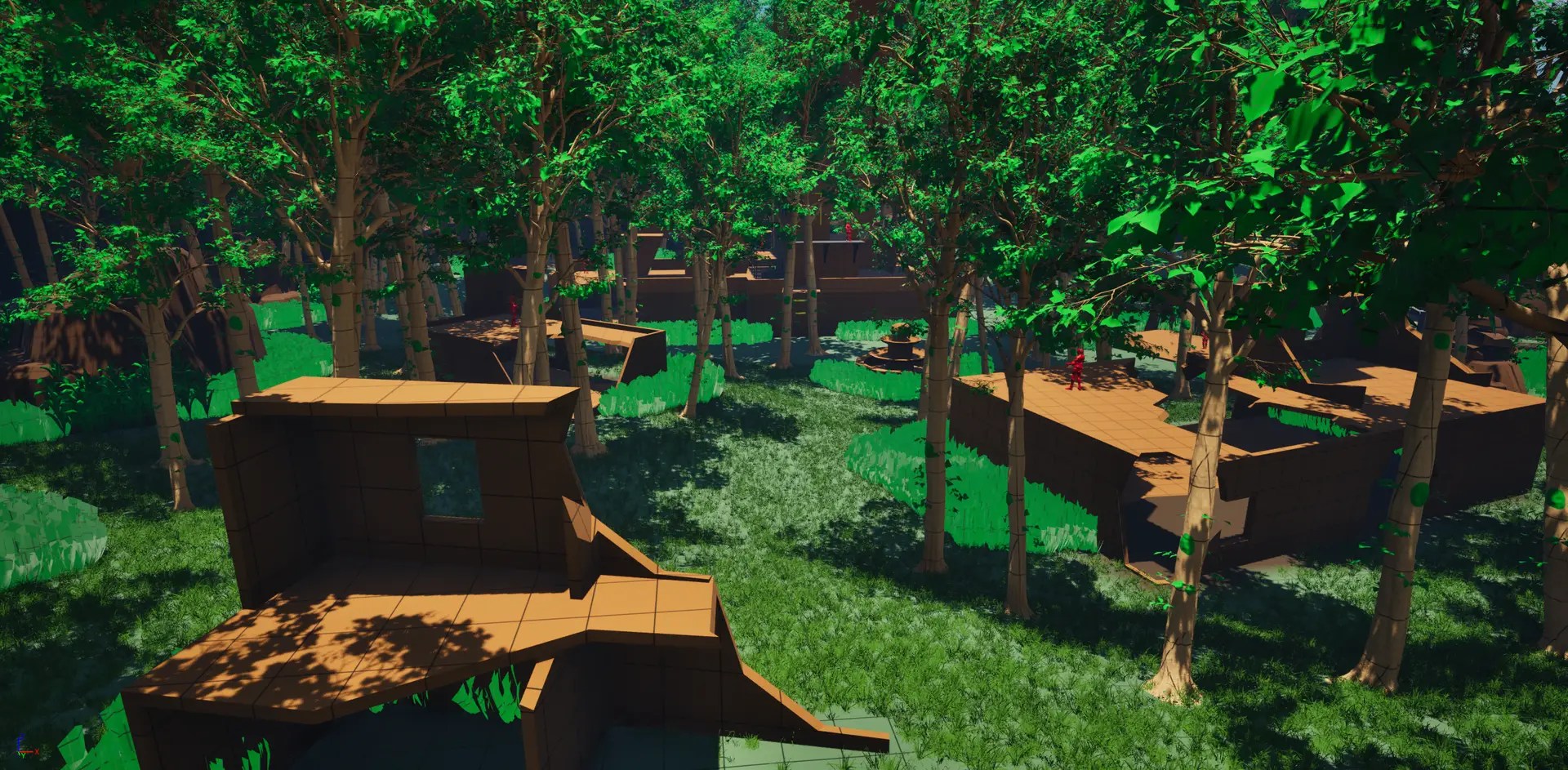
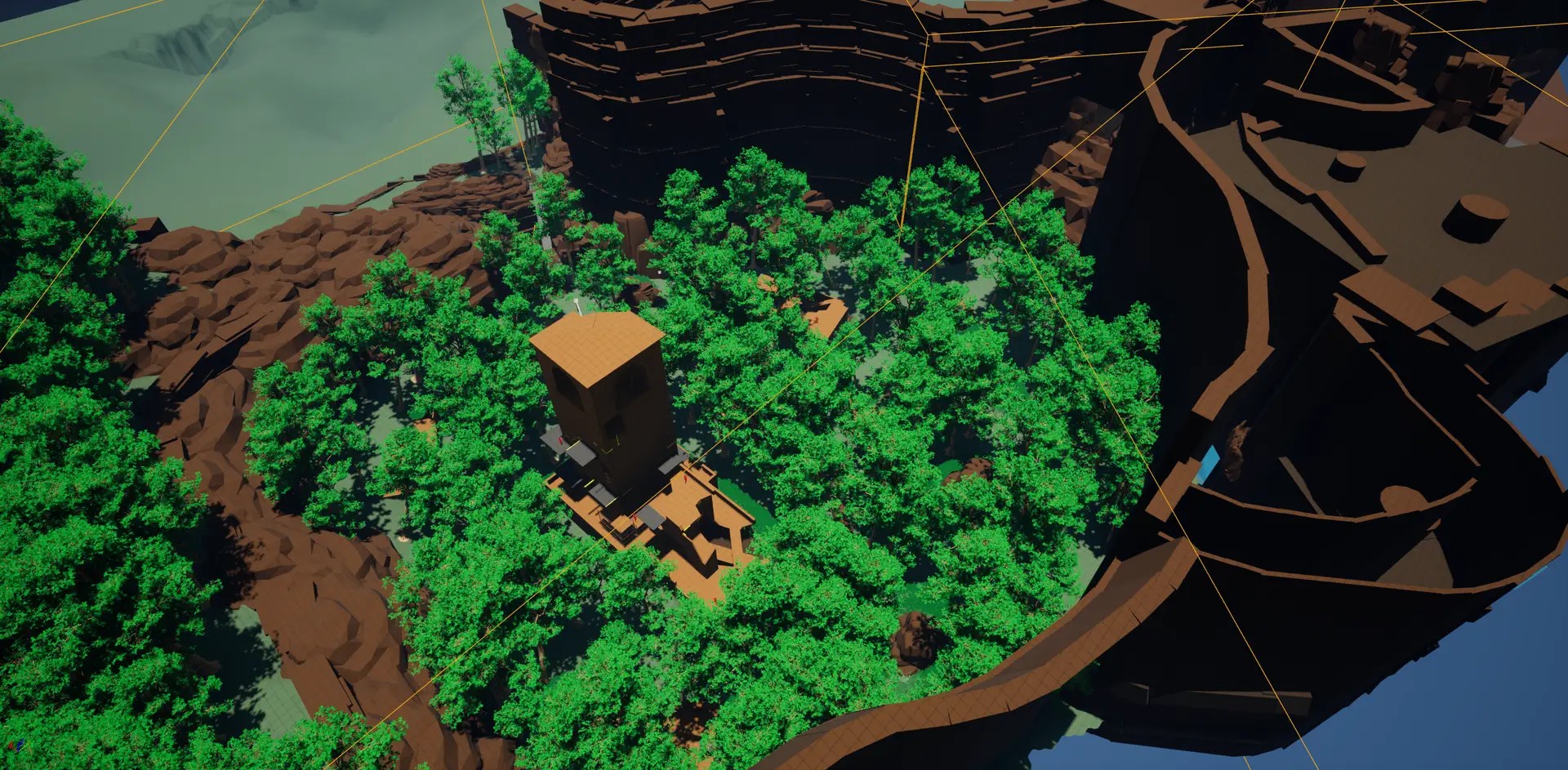
This section corresponds to the second part of the level and aims to maintain readable progression while offering the player more choice. Landmarks and ruins structure the sightlines and naturally guide movement through the space.

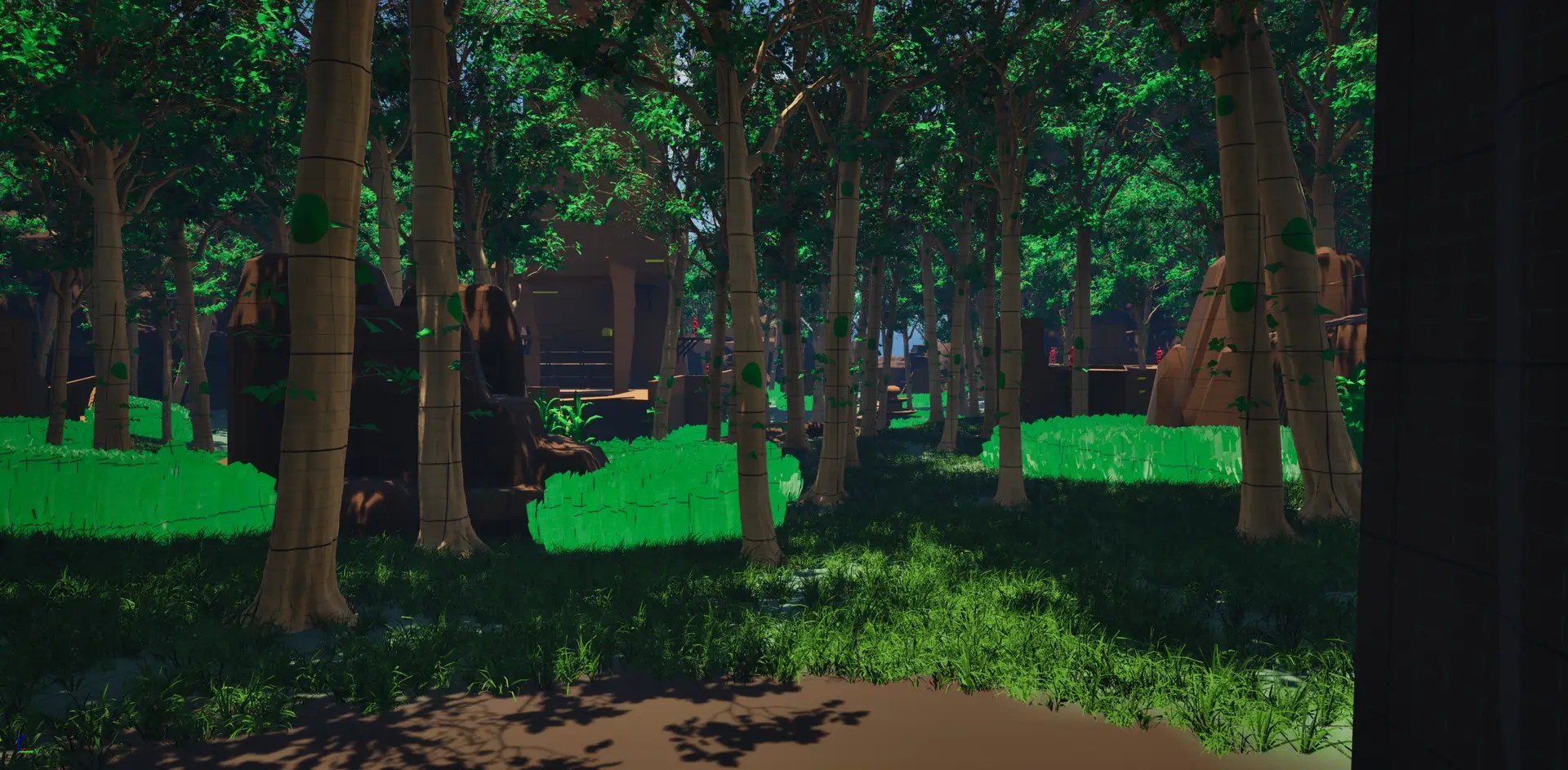
Multiple traversal routes are provided in order to encourage freedom of approach and replayability, with integrated tall grass zones to support infiltration. Enemy placement is calibrated to control pacing (tension/breathing) and ensure a coherent difficulty curve throughout the progression.

/Blockout / whitebox

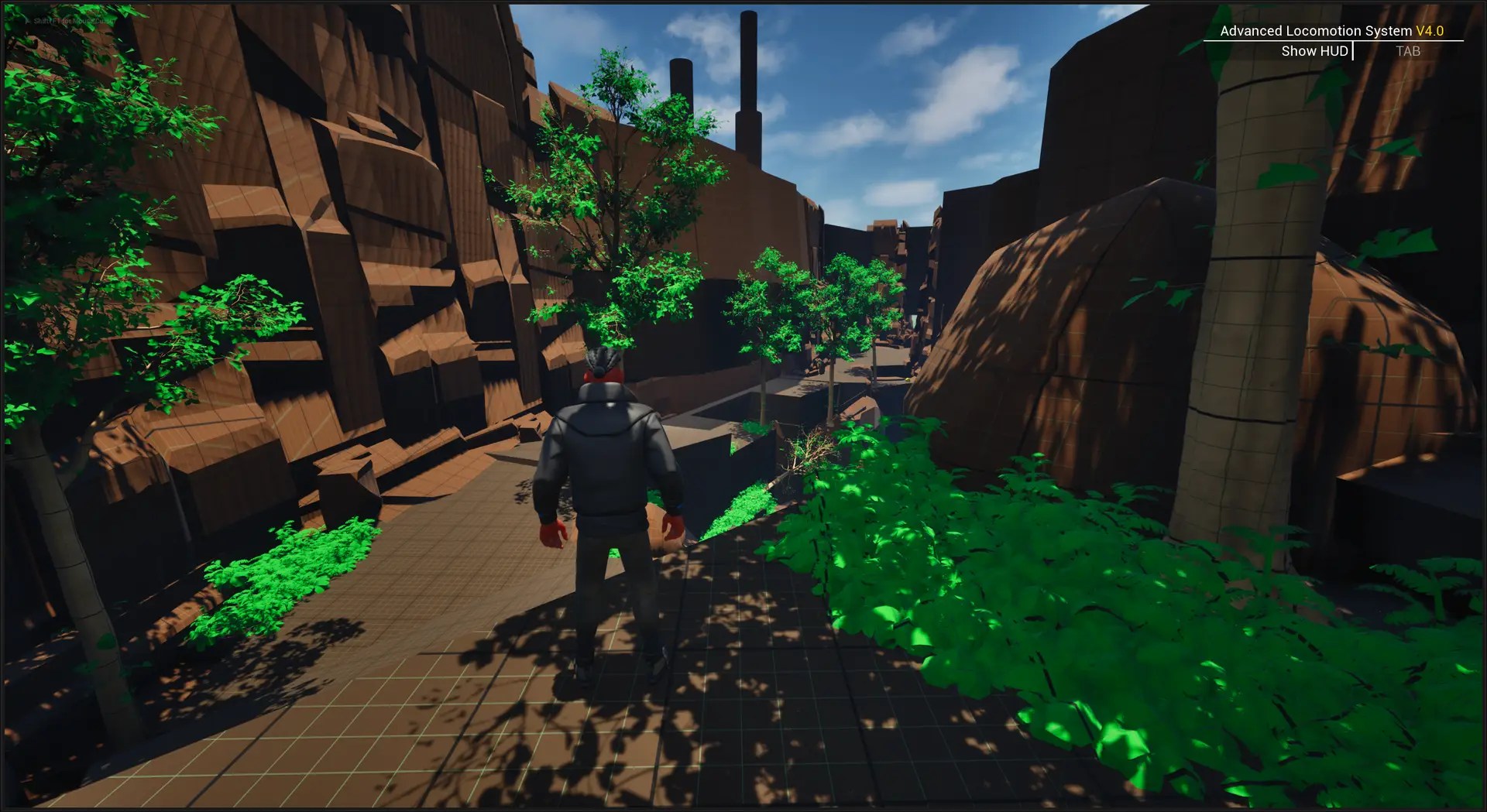
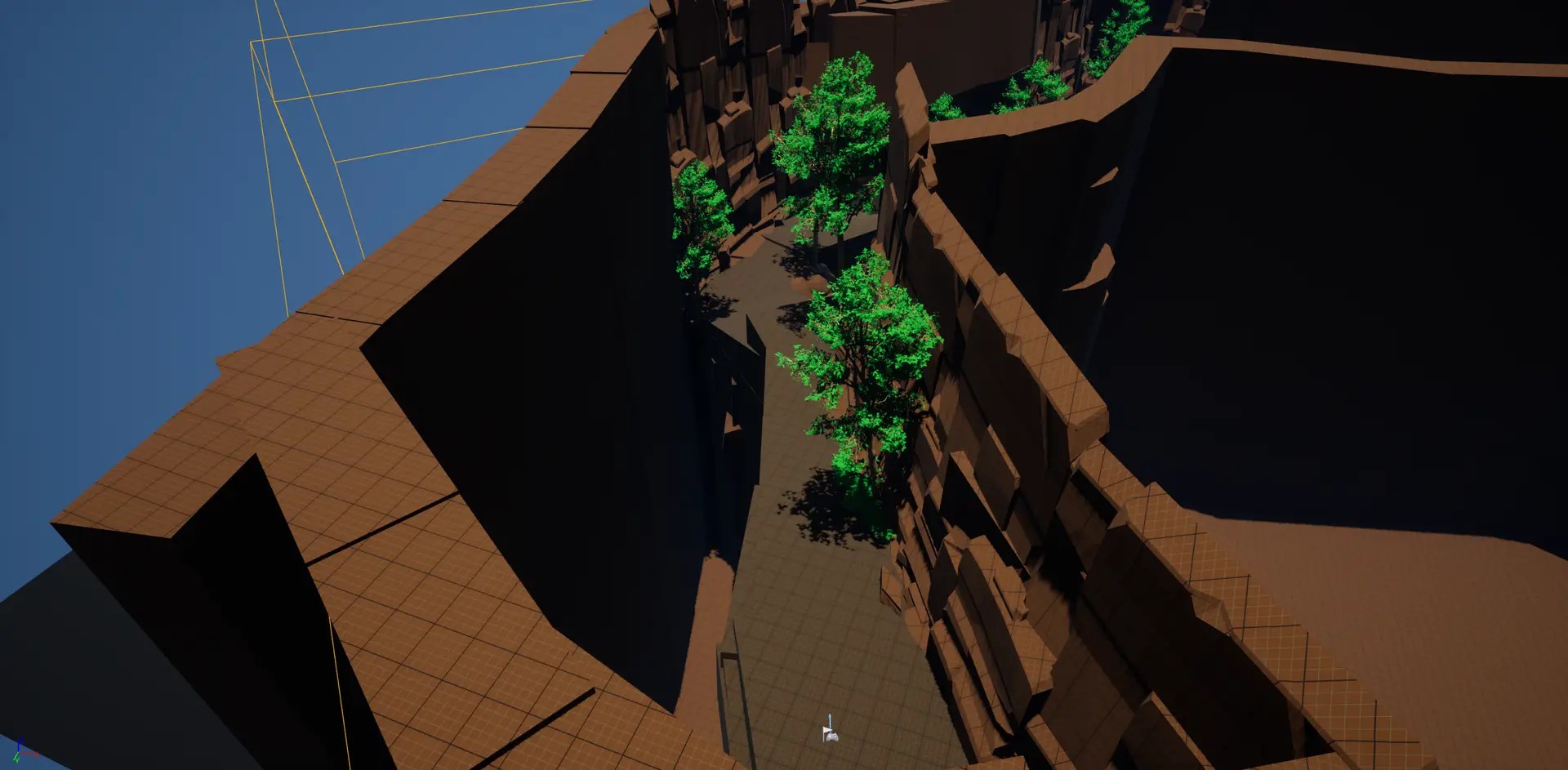
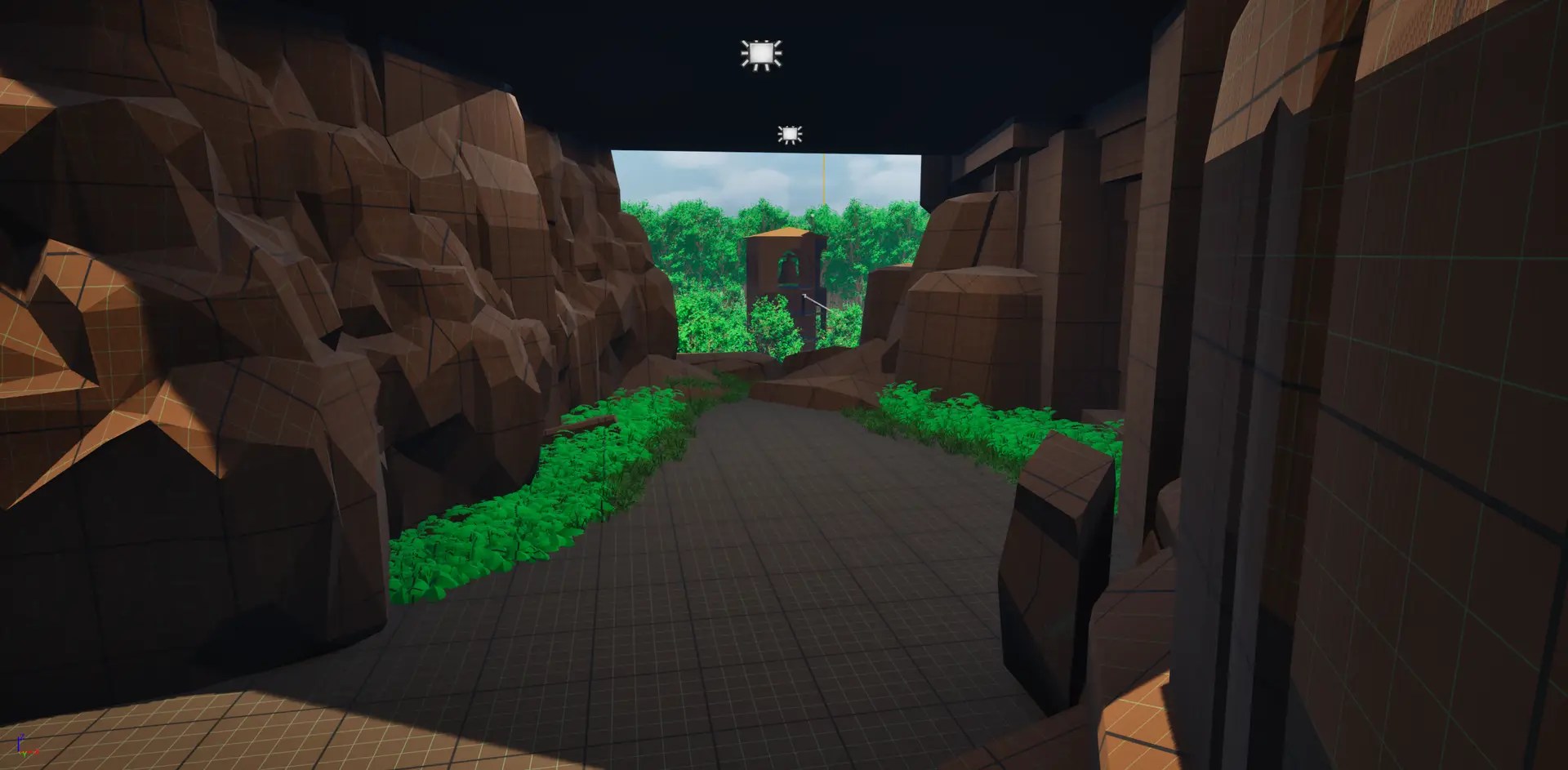
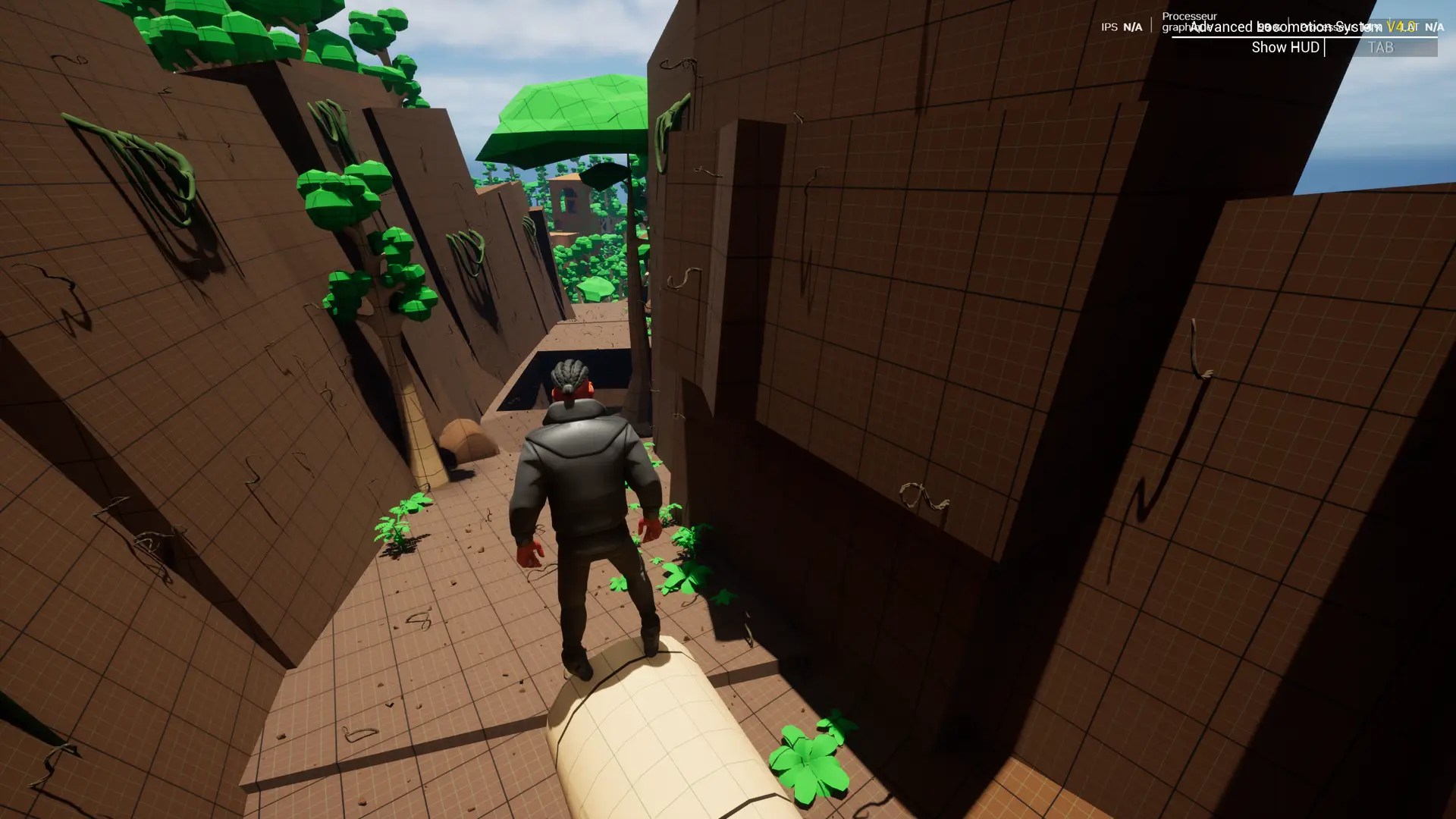
The level resumes on a mountain path, continuing from the previous section. From the entrance, the staging is designed to create clear sightlines and framing, in order to naturally guide the player’s gaze toward the main objective and ensure readable progression along the critical path.

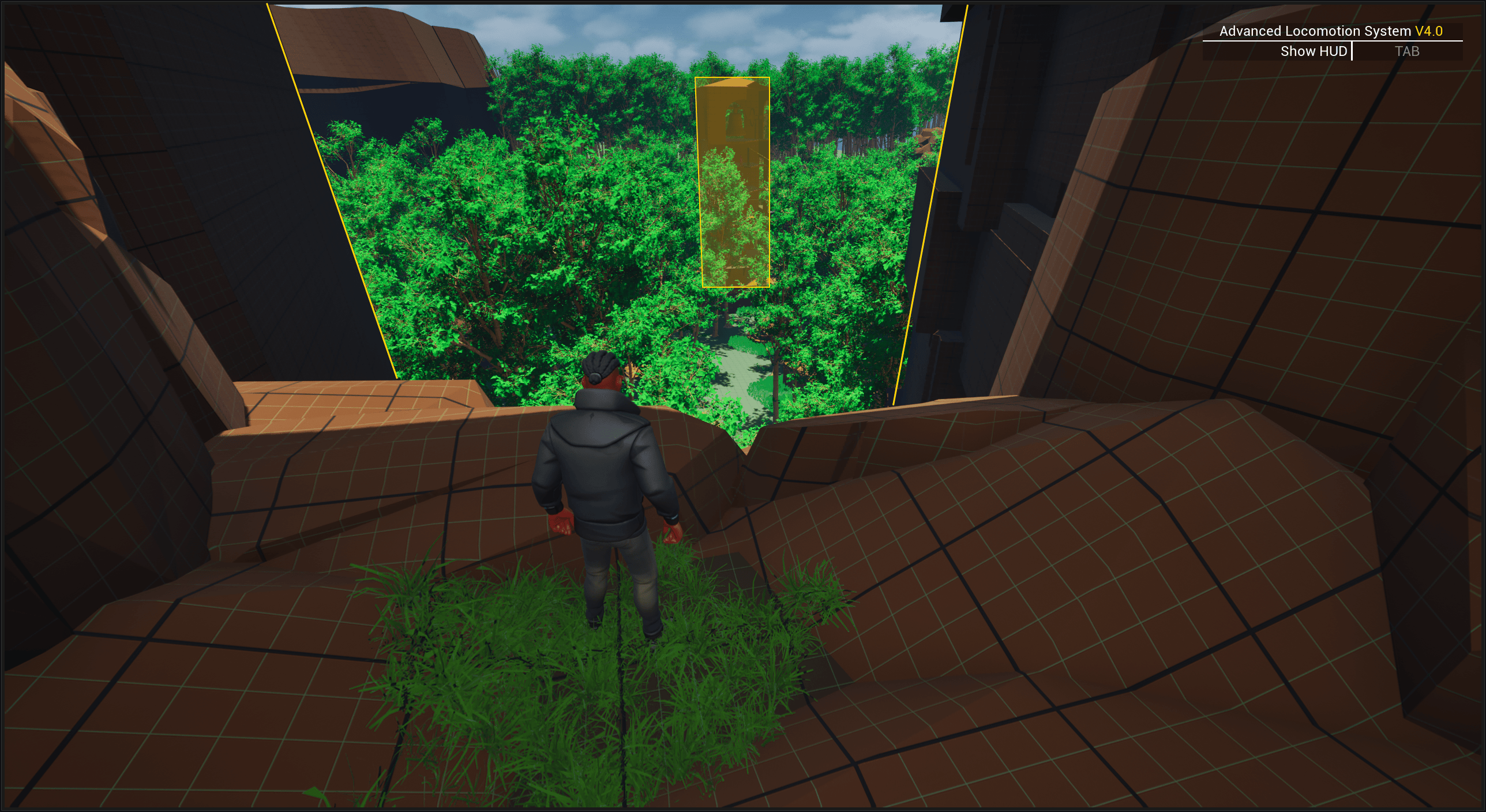
This observation point is designed as a landmark and a pacing moment: it gives the player a readable overview of the next area, establishes the main objective through framing and sightlines, and introduces points of interest that motivate upcoming exploration.

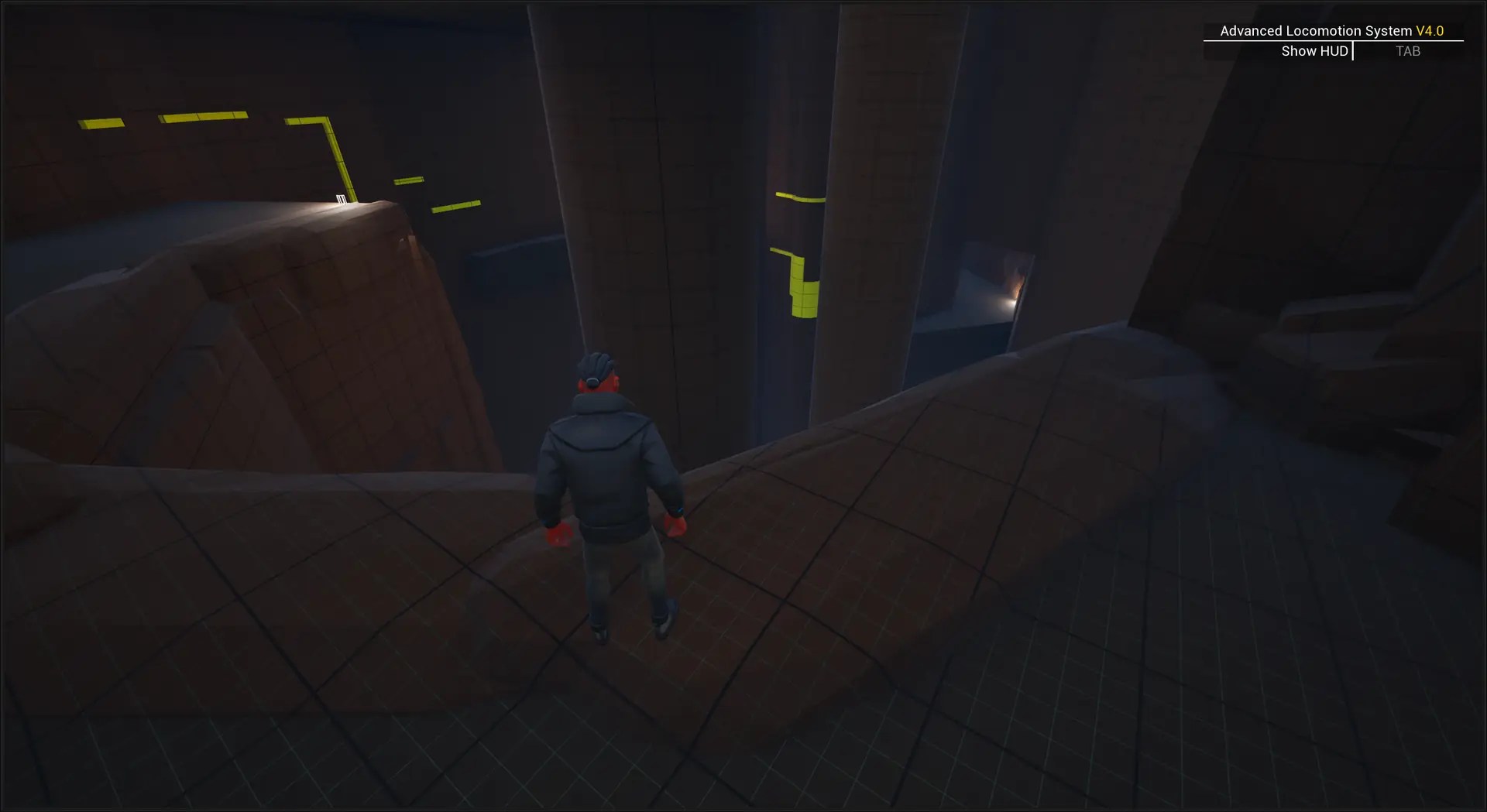
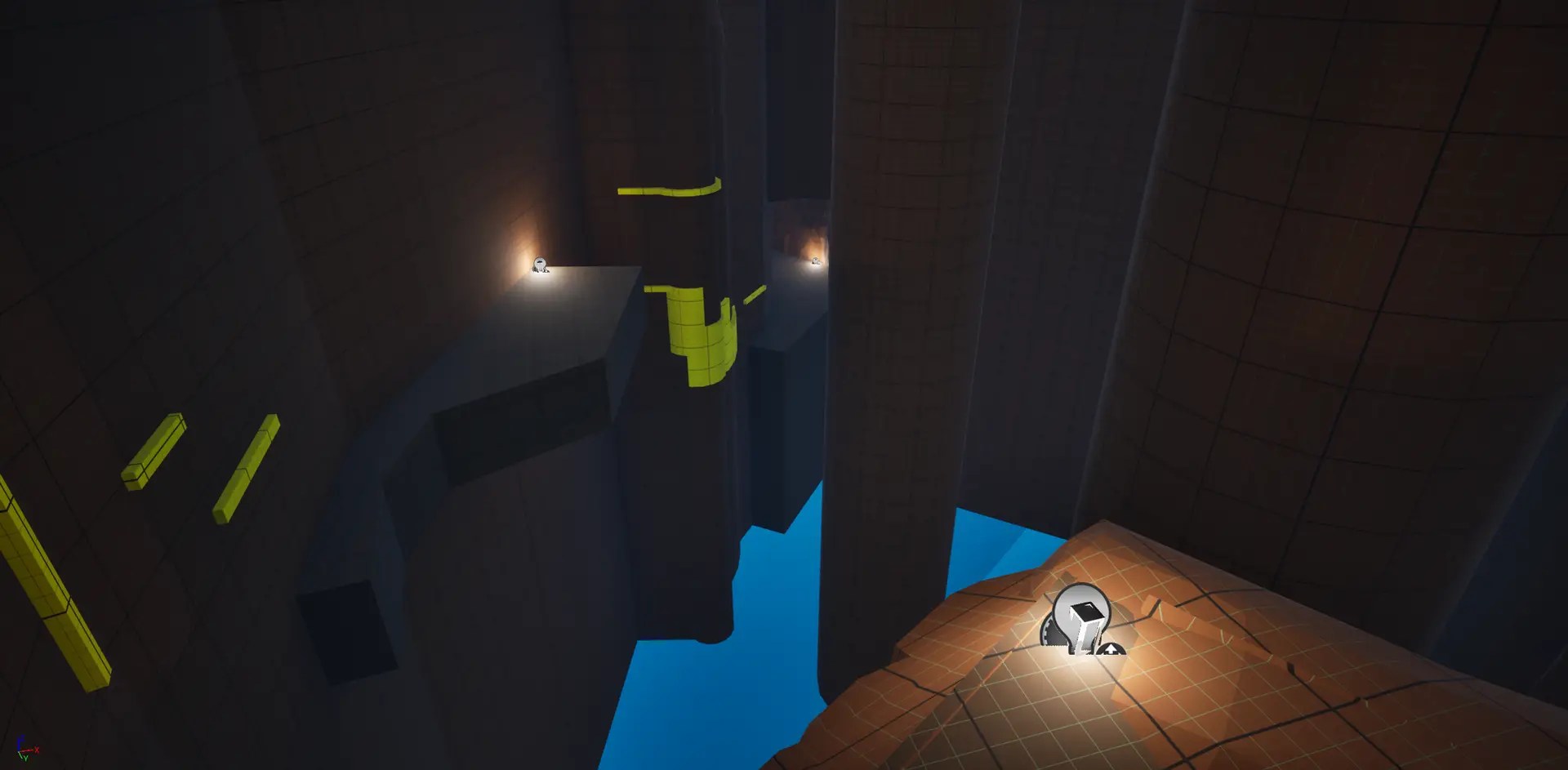
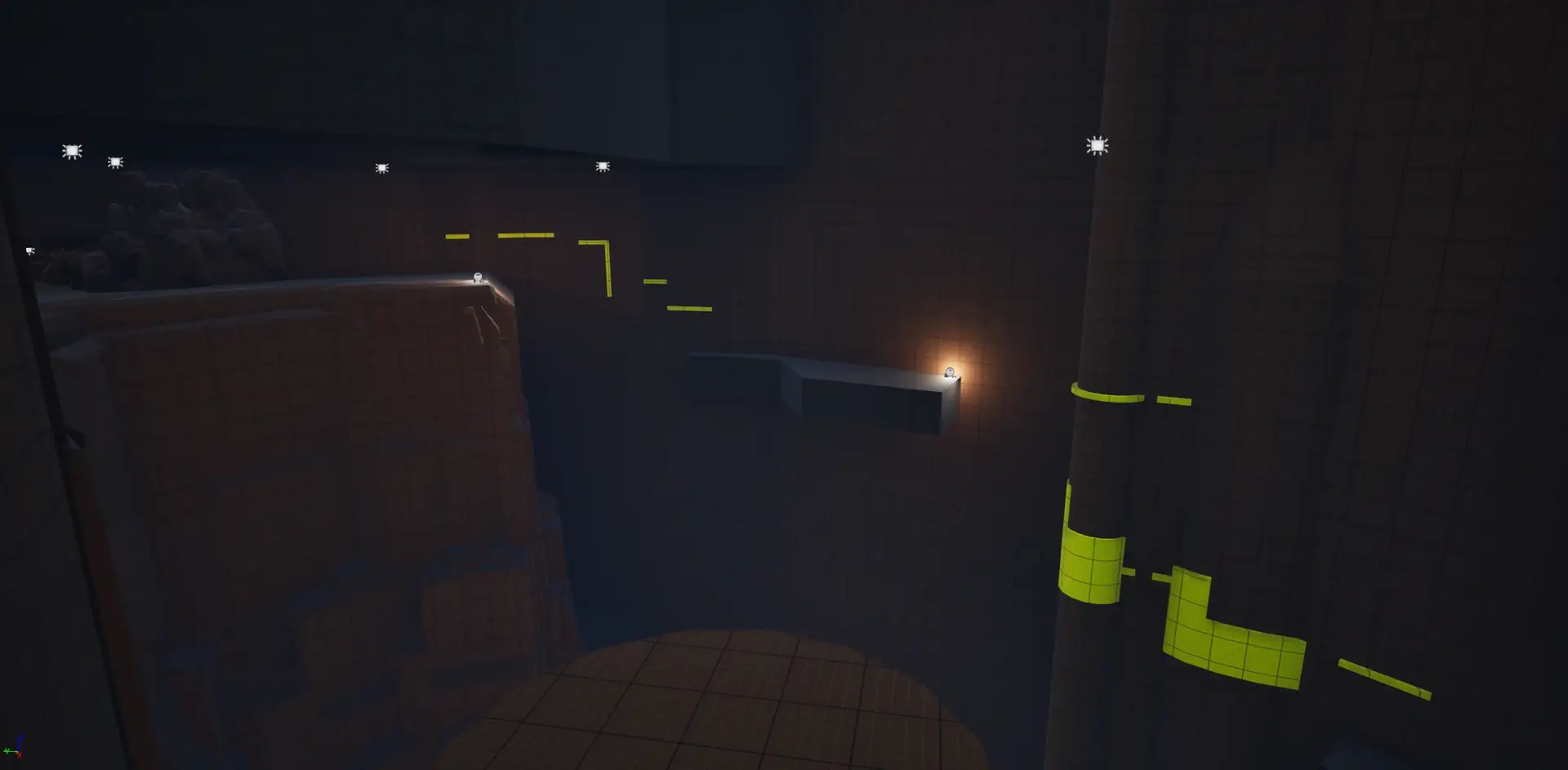
From this observation point, the arrangement of climbing holds is clearly readable, which allows the player to anticipate and plan their vertical route. The sightlines also reveal an entrance below, used as a visual hook to spark curiosity and encourage optional exploration.

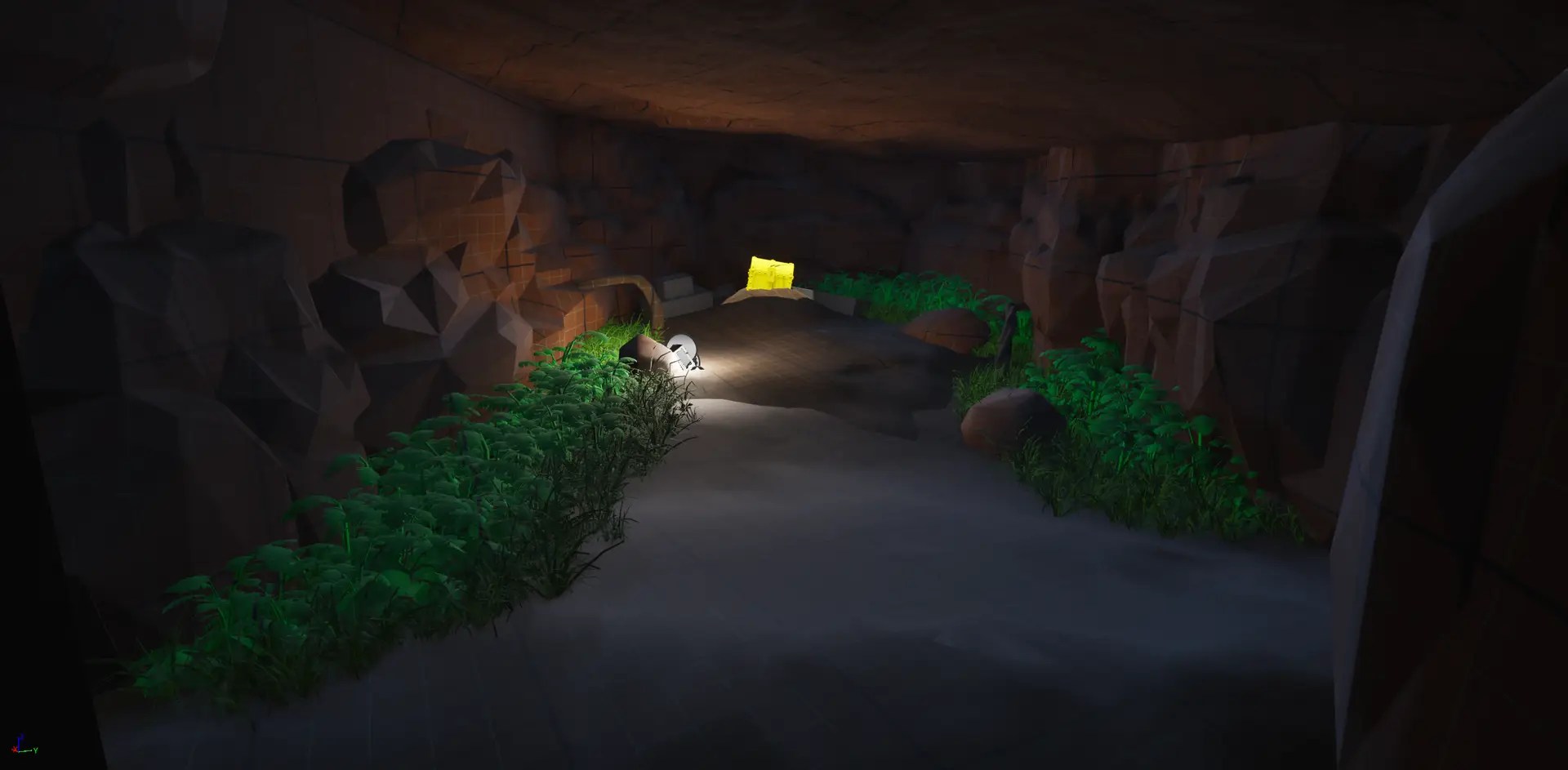
This hidden room functions as a reward for attentive players: discreet visual cues point toward its access, encouraging deeper exploration without breaking the flow.

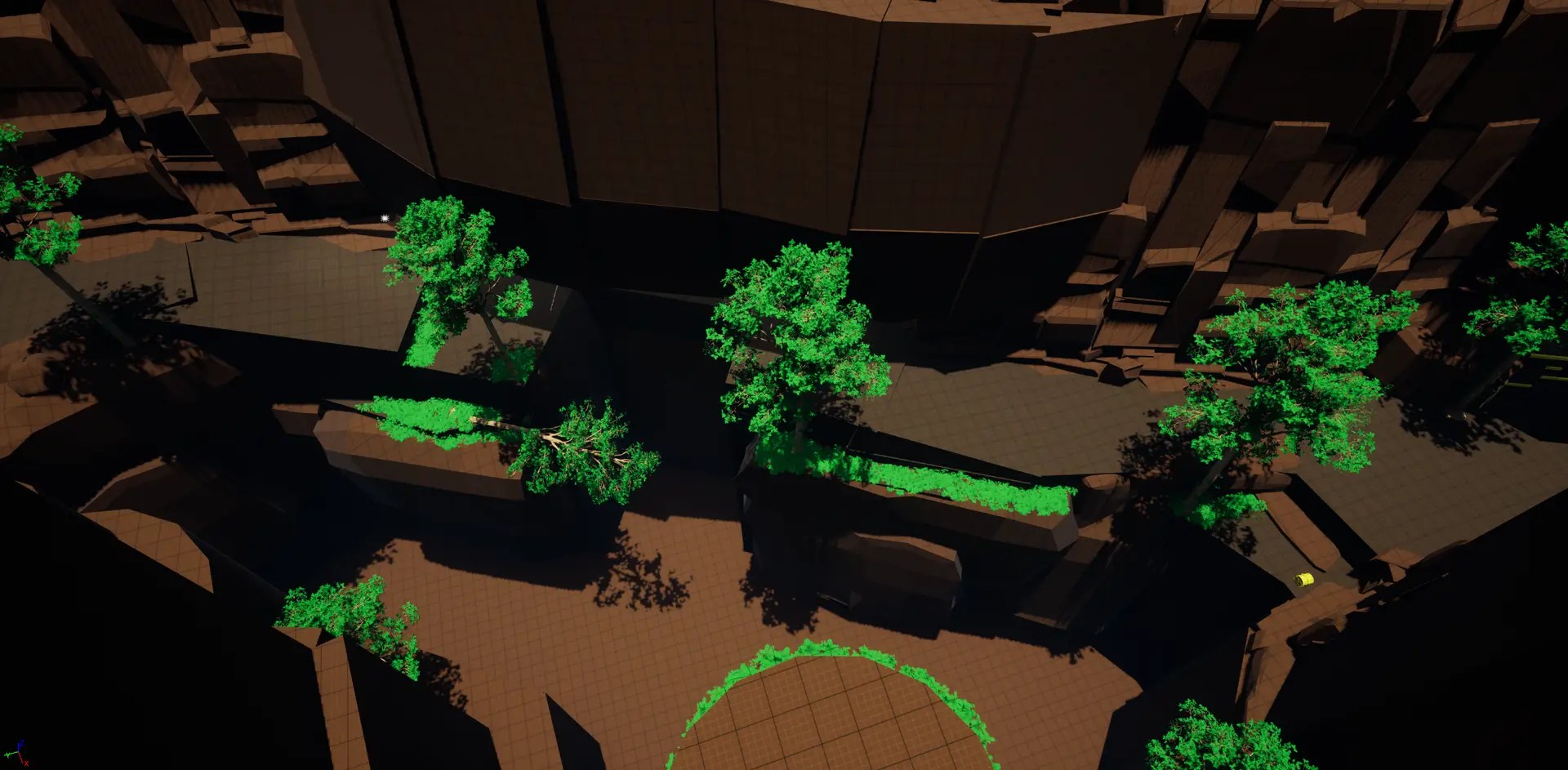
The area is held by mercenaries and is designed to offer a clear approach choice: direct combat or infiltration. The layout combines alternative routes, cover, and concealment zones (tall grass), while enemy placement and sightlines create opportunities for flanking or confrontation. This structure reinforces player agency and replayability by encouraging different tactical decisions with each attempt.

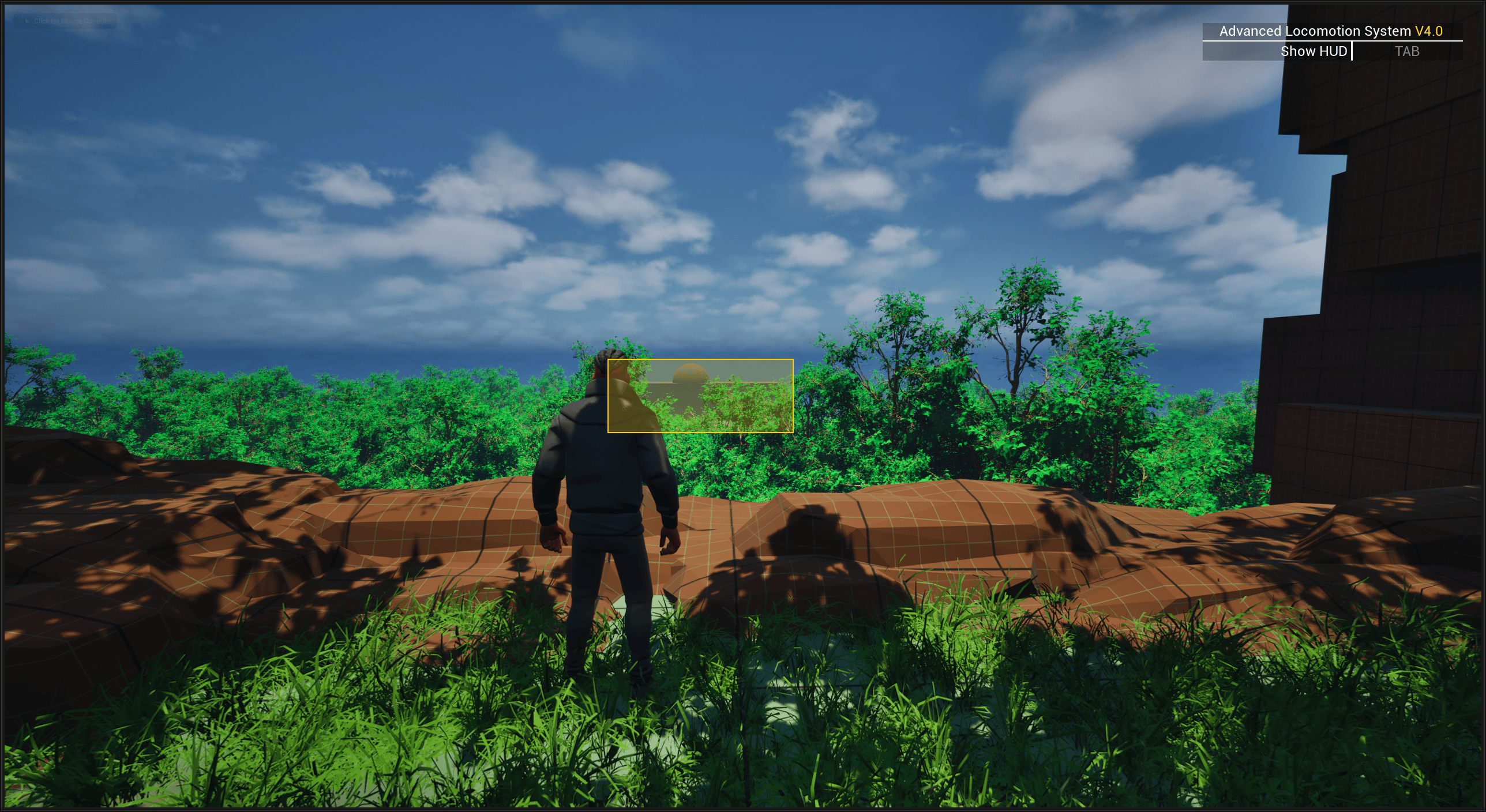
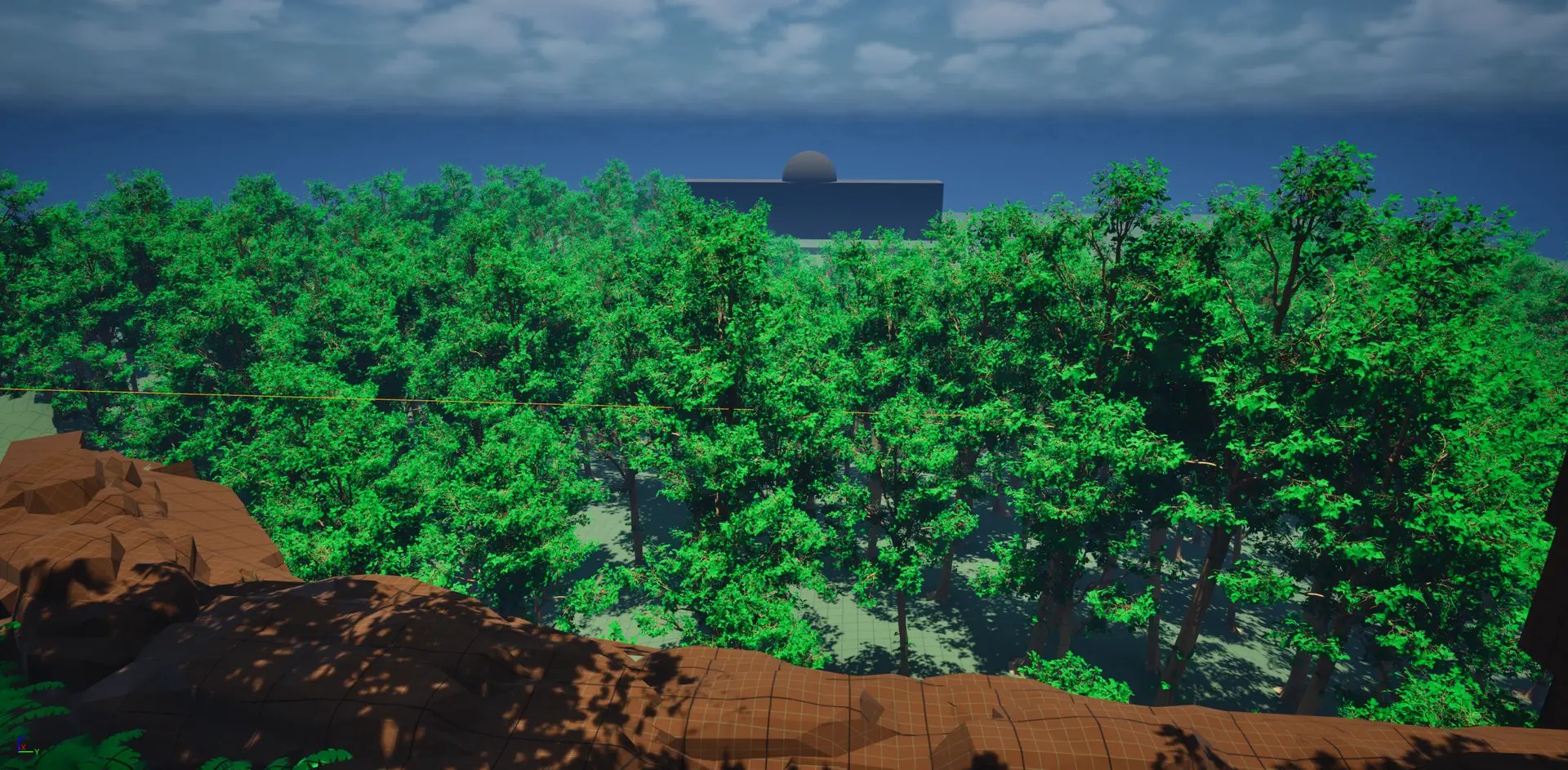
This area acts as an observation point and a goal reveal: it shows the player the space they will reach later and establishes a clear landmark through framing and sightlines. It thus reinforces orientation and motivates upcoming exploration.

/Tower

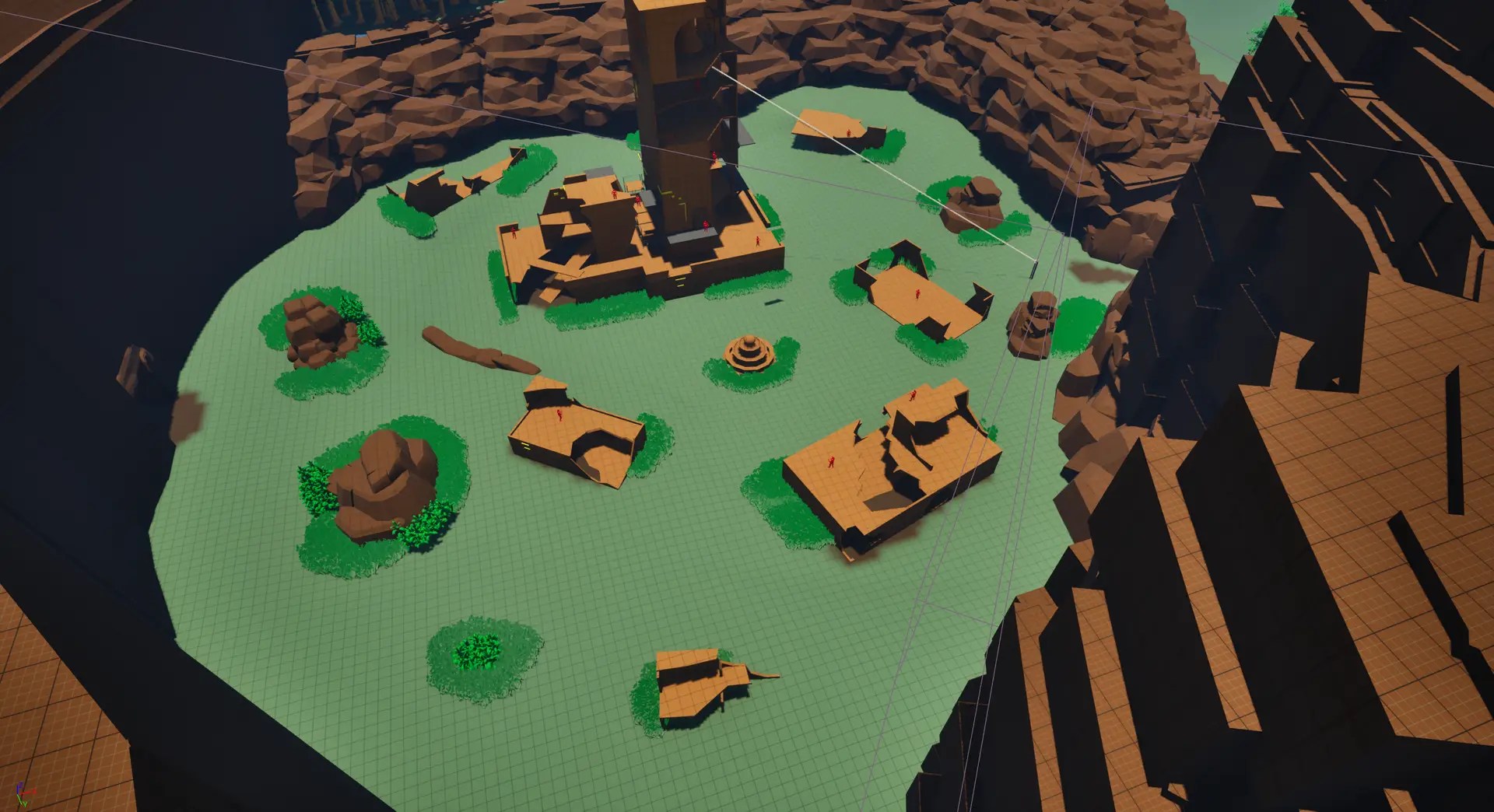
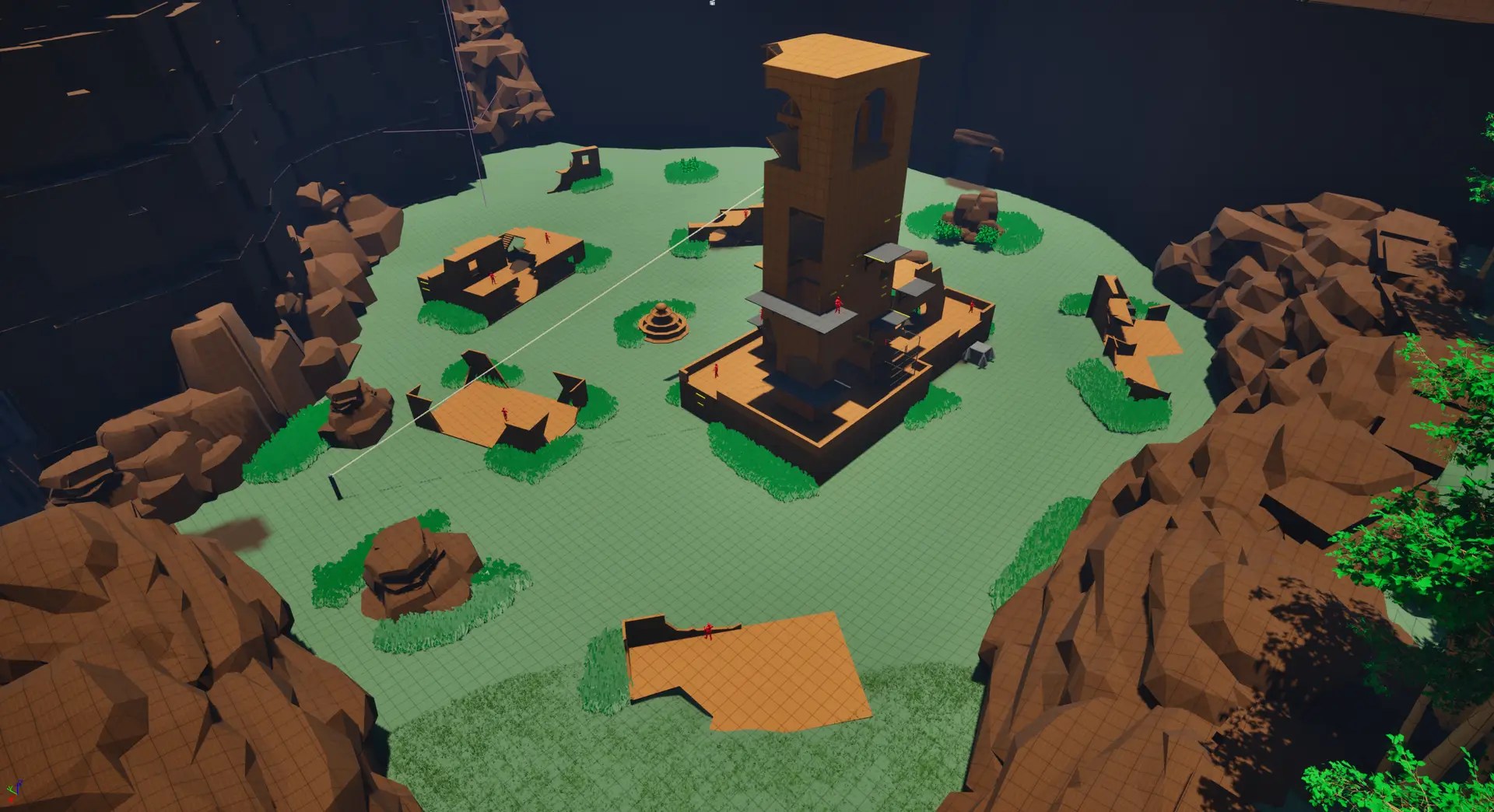
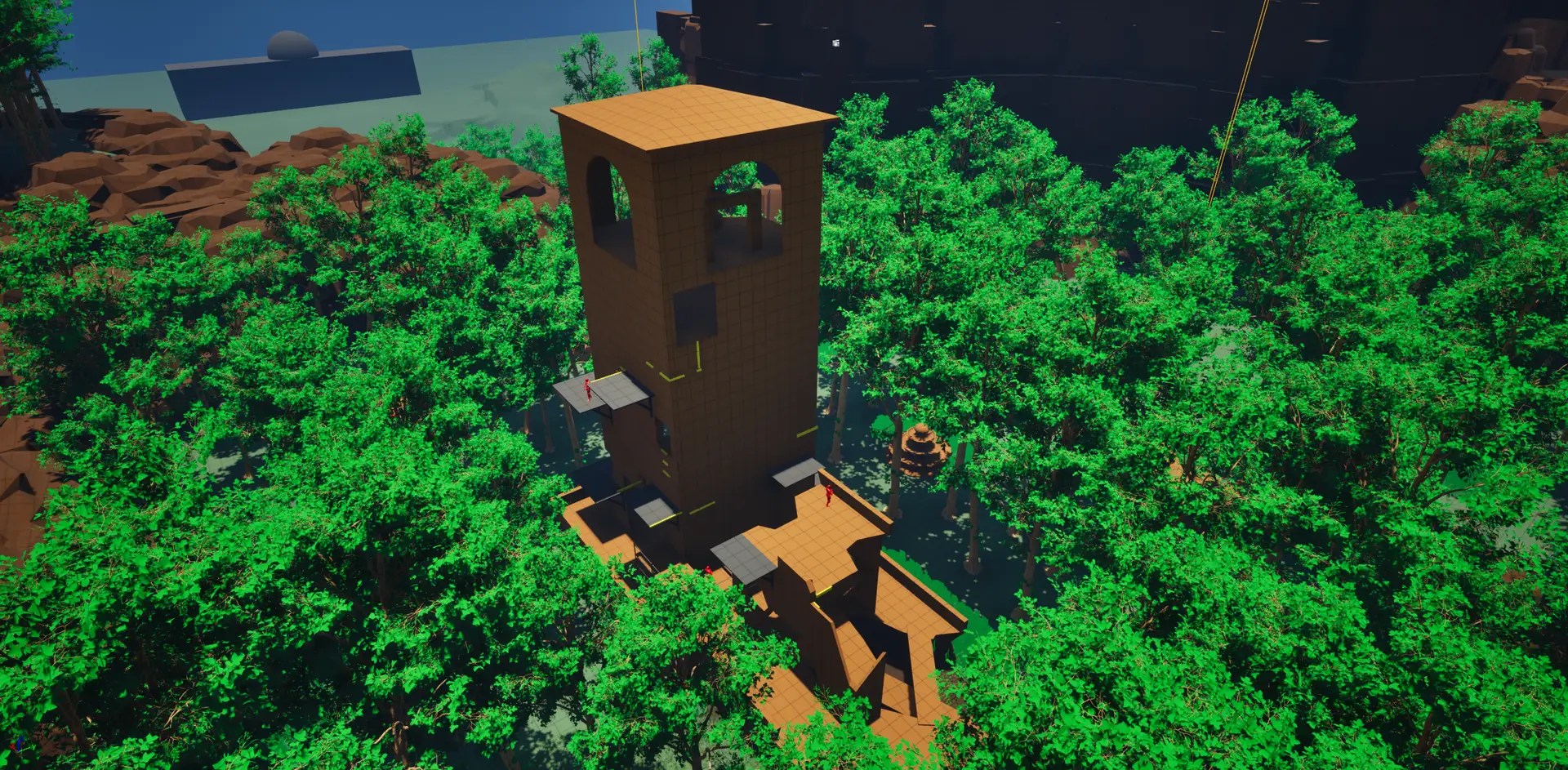
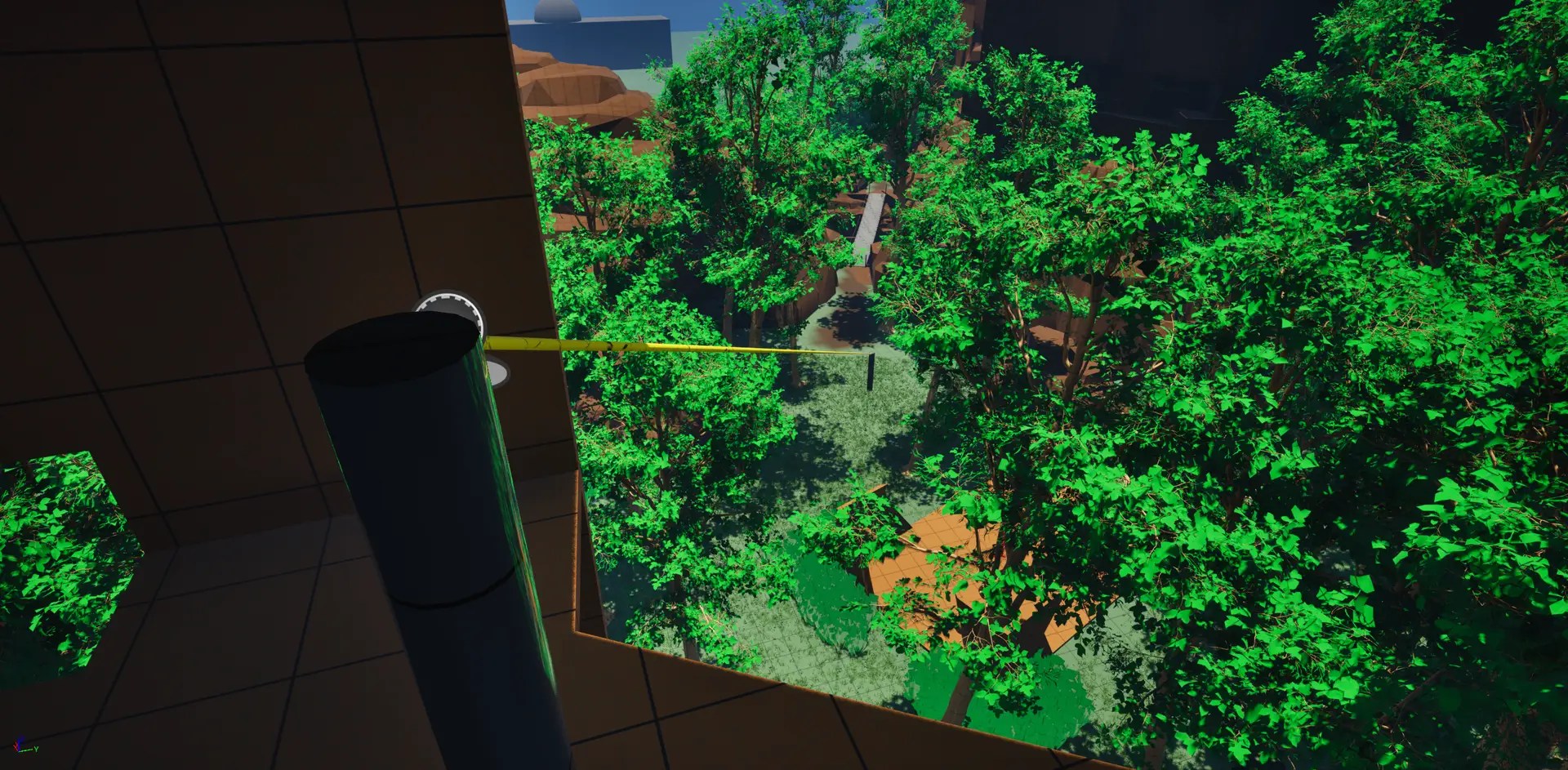
This tower constitutes the level’s central landmark and an anchor point for navigation, thanks to its strong vertical readability. Its interior is designed as a rhythm change, alternating traversal phases (climbing) and close-quarters combat in confined spaces in order to vary pressure and intensity.

The ascent is optional, which reinforces player agency and offers multiple approaches to objectives. At the top, a valuable reward supports the risk/reward logic of exploration. Finally, a zipline allows for a fast and readable descent, serving as a dynamic transition that naturally reconnects the player to the main flow.

/In-Game Screenshots

/Iterations

This iteration aims to strengthen the level’s readability and pacing. The blockout was used to validate sightlines, landmarks, and route clarity, then the lighting was calibrated to support diegetic guidance and better prioritize paths. Enemy placement was then adjusted in order to ensure coherent pressure buildup and progressive combat rhythm.

Several beats were reworked to improve engagement and rhythm, notably by reconstructing the opening mountain section in order to make the start more dynamic.

I reworked this portion of the level by adding a cave in order to vary the progression and energize the pacing. This section introduces verticality through a climbing sequence, which diversifies traversal, strengthens the route’s readability, and enriches the player’s movement.

For the next iterations, the objective is to strengthen readability. I plan to improve guidance, replace the static enemies with AI to make interactions more dynamic, implement a climbing system based on handholds, then add a minimalist interface and combat mechanics in order to achieve a more complete and coherent prototype.