Here is my third level design project, completed as part of my CGMA training. The objective is to design a Souls-like sequence, centered on demanding navigation, controlled pacing, and constant atmospheric tension, within a predominantly linear progression.
The level adopts a semi-labyrinthine structure in order to create route choices, reward exploration, and encourage risk-taking. Lies of P and Elden Ring serve as references to calibrate readability, tension buildup, and risk / reward logic.
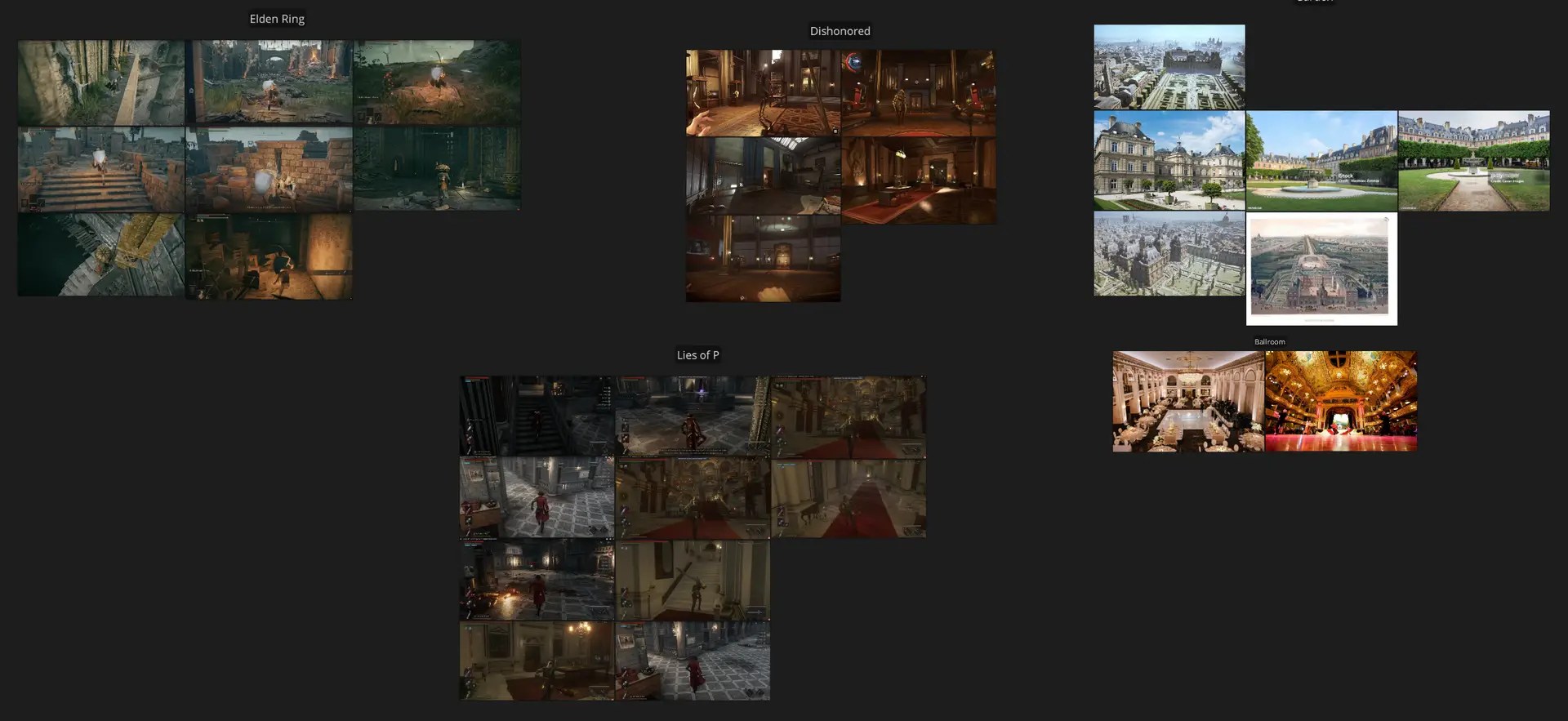
Drawing on references like Lies of P and Elden Ring, I created several sketches to validate the overall structure, critical path, loops/shortcuts, and pacing curve before prototyping.
The level is divided into two sections in order to balance exploration, combat, and progression, while respecting Souls-like logic.
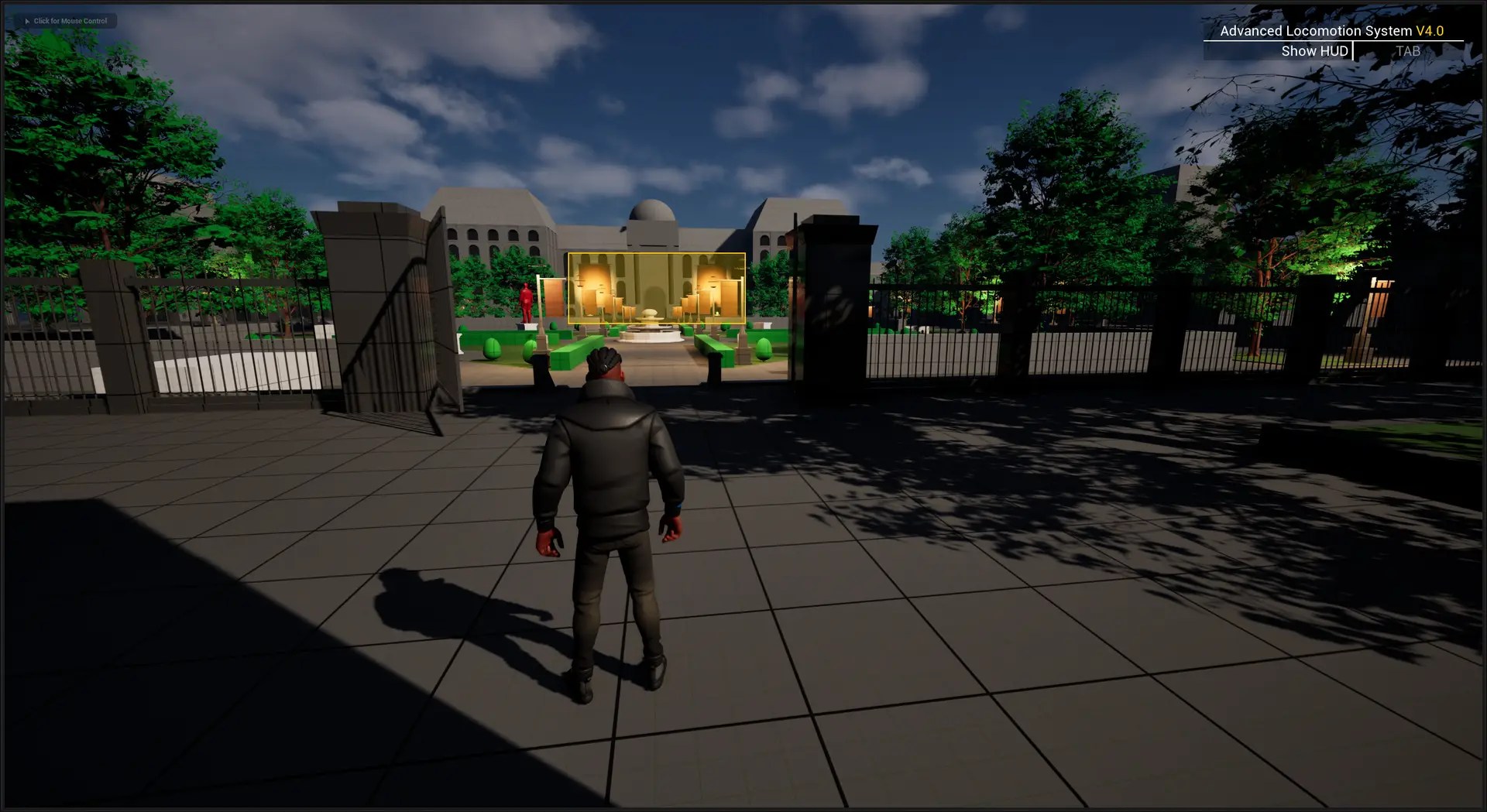
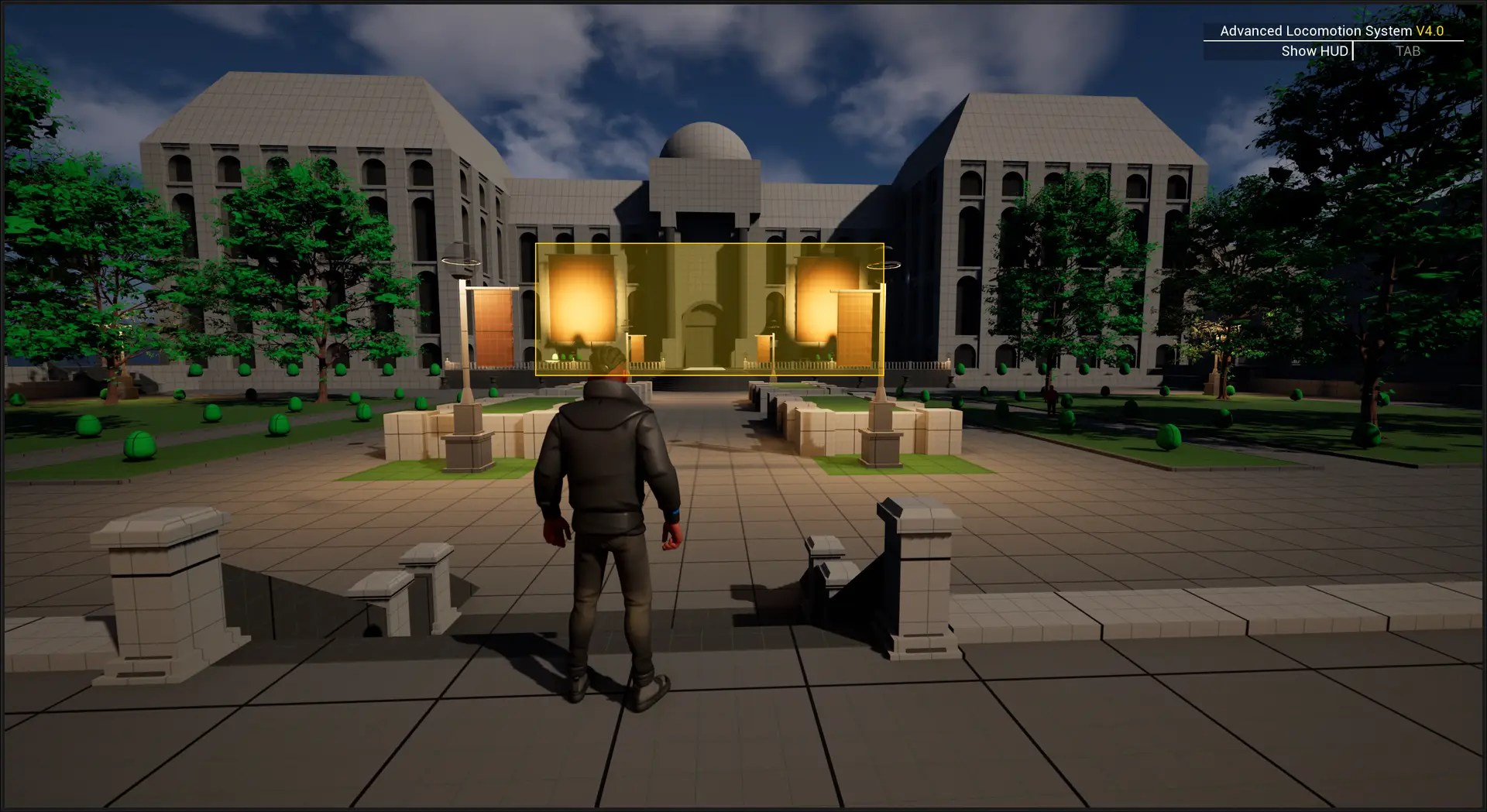
The first section takes place outdoors, in a royal garden designed to progressively guide the player toward the palace entrance using landmarks and clear sightlines.
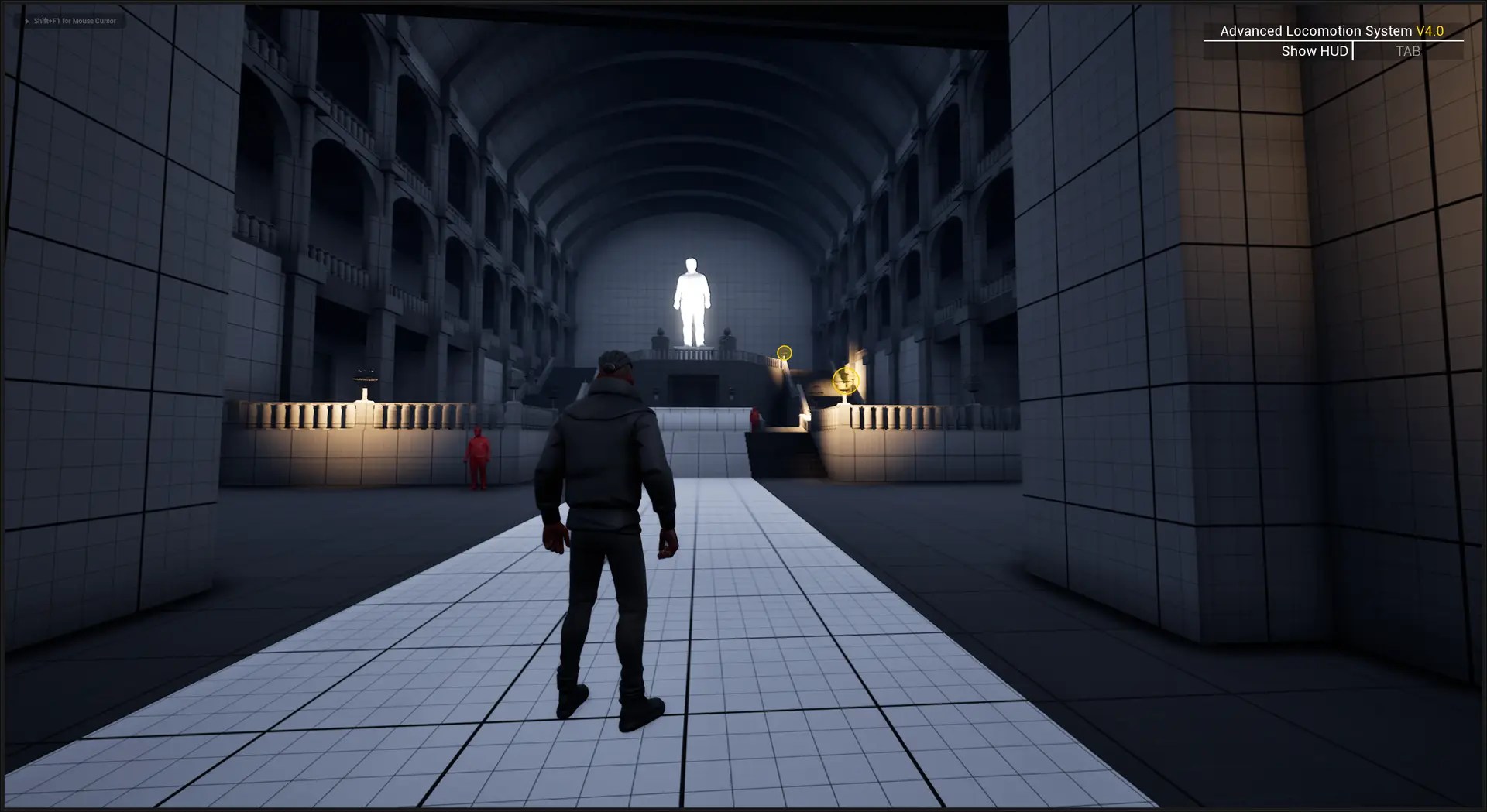
Here is the second part of the level, set inside the royal palace. The intention is to propose an interconnected structure that supports readability and navigation while maintaining constant tension, typical of a Souls-like.
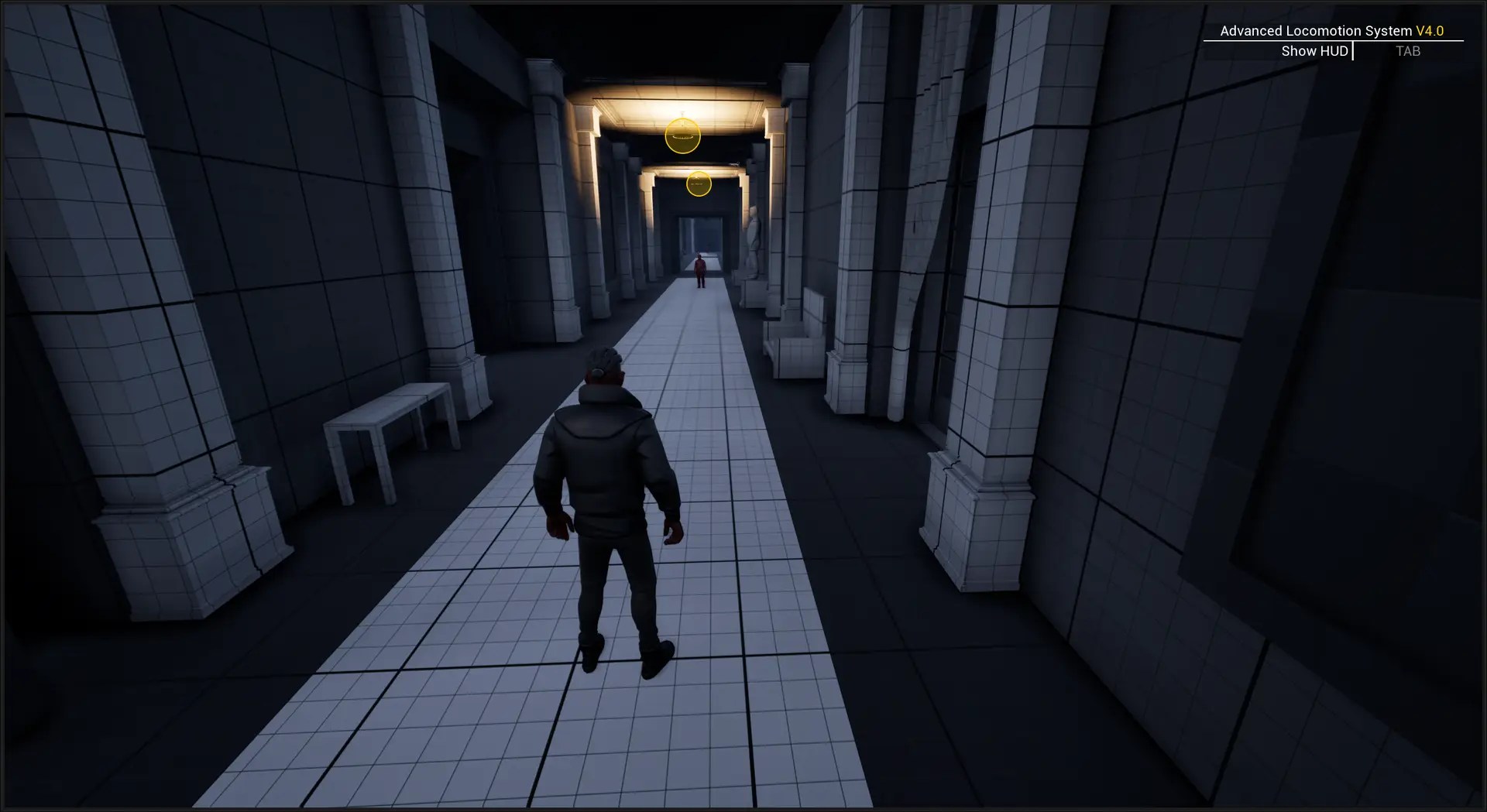
The spatial organization is built around key rooms (main hall, ballroom, library, ticket office, save point) that serve as landmarks and progression milestones. A network of corridors connects these spaces in order to create loops and readable connections, promoting fluid circulation and visual coherence. Enemy placement is calibrated to control pacing (pressure/breathing), and the ballroom is designed as the boss arena, marking an intensity peak within the progression.
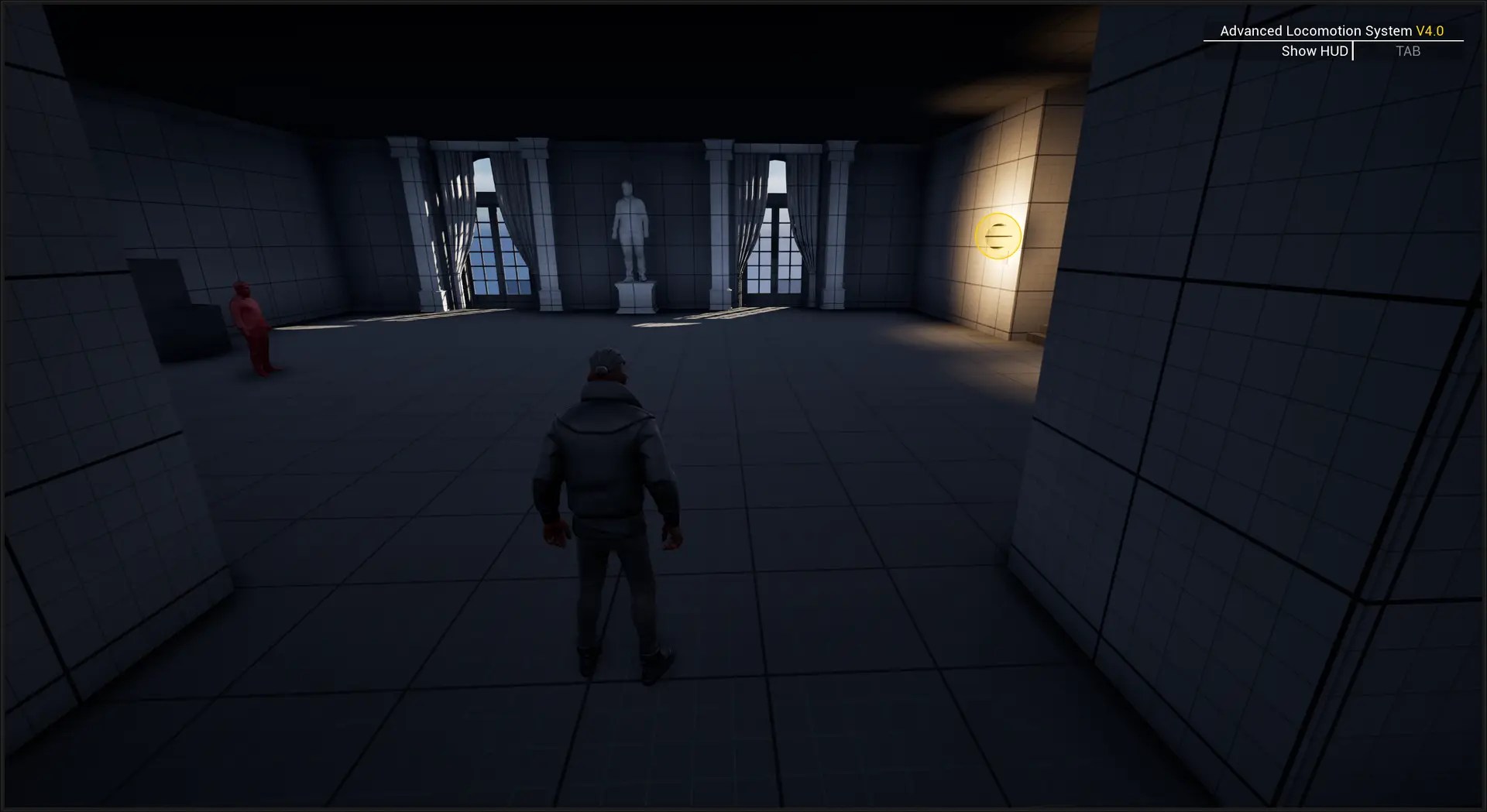
Two illuminated banners function as visual markers and focal points: they structure the sightlines, naturally direct the player’s gaze toward progression, and create a visual hook that stimulates curiosity, without resorting to interface markers.
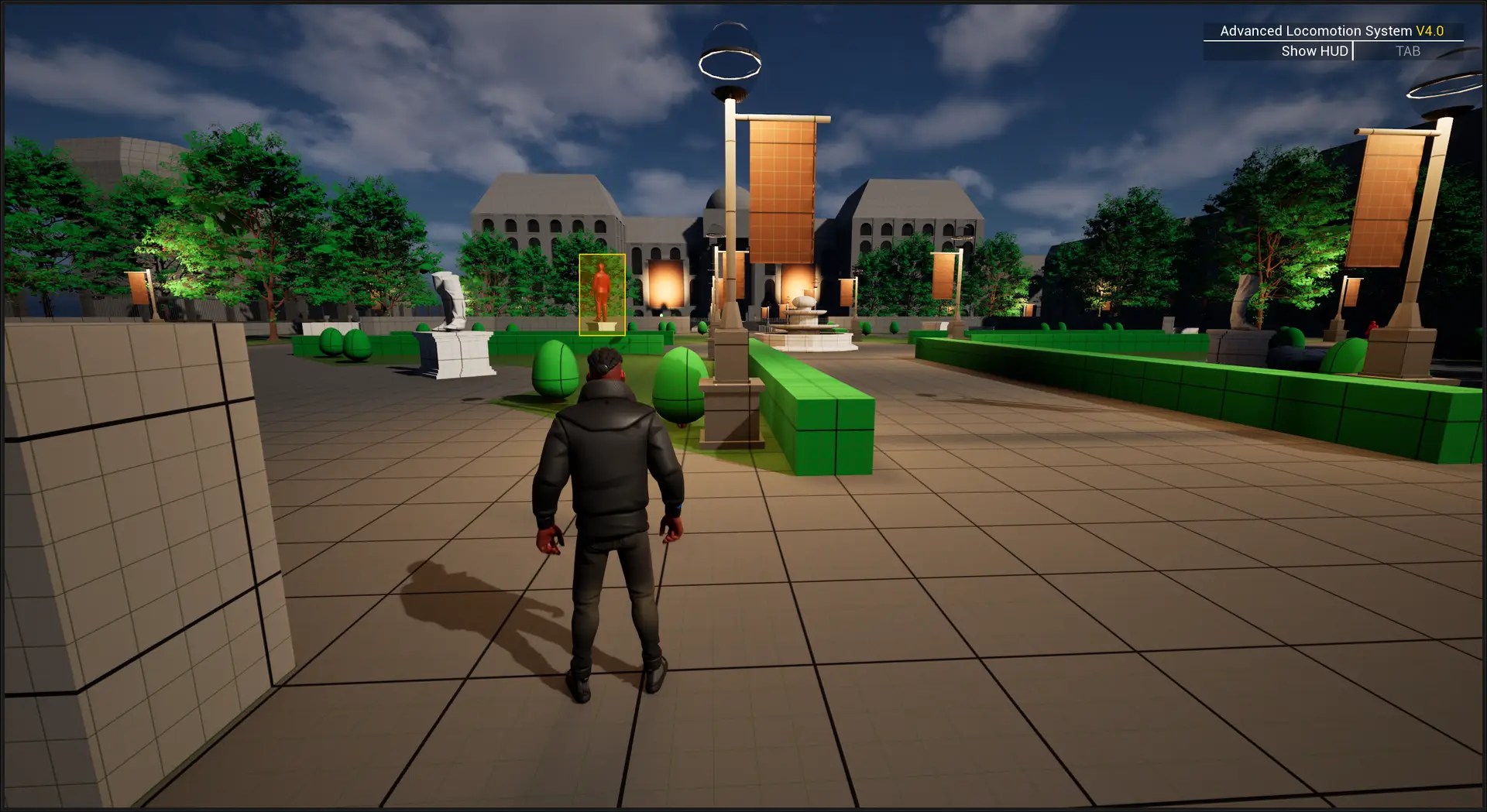
The statue functions as a focal point and a diversion element, inviting the player to approach before revealing it is actually an enemy. The reward placed at the base of the pedestal creates a risk/reward logic that values curiosity while maintaining tension.
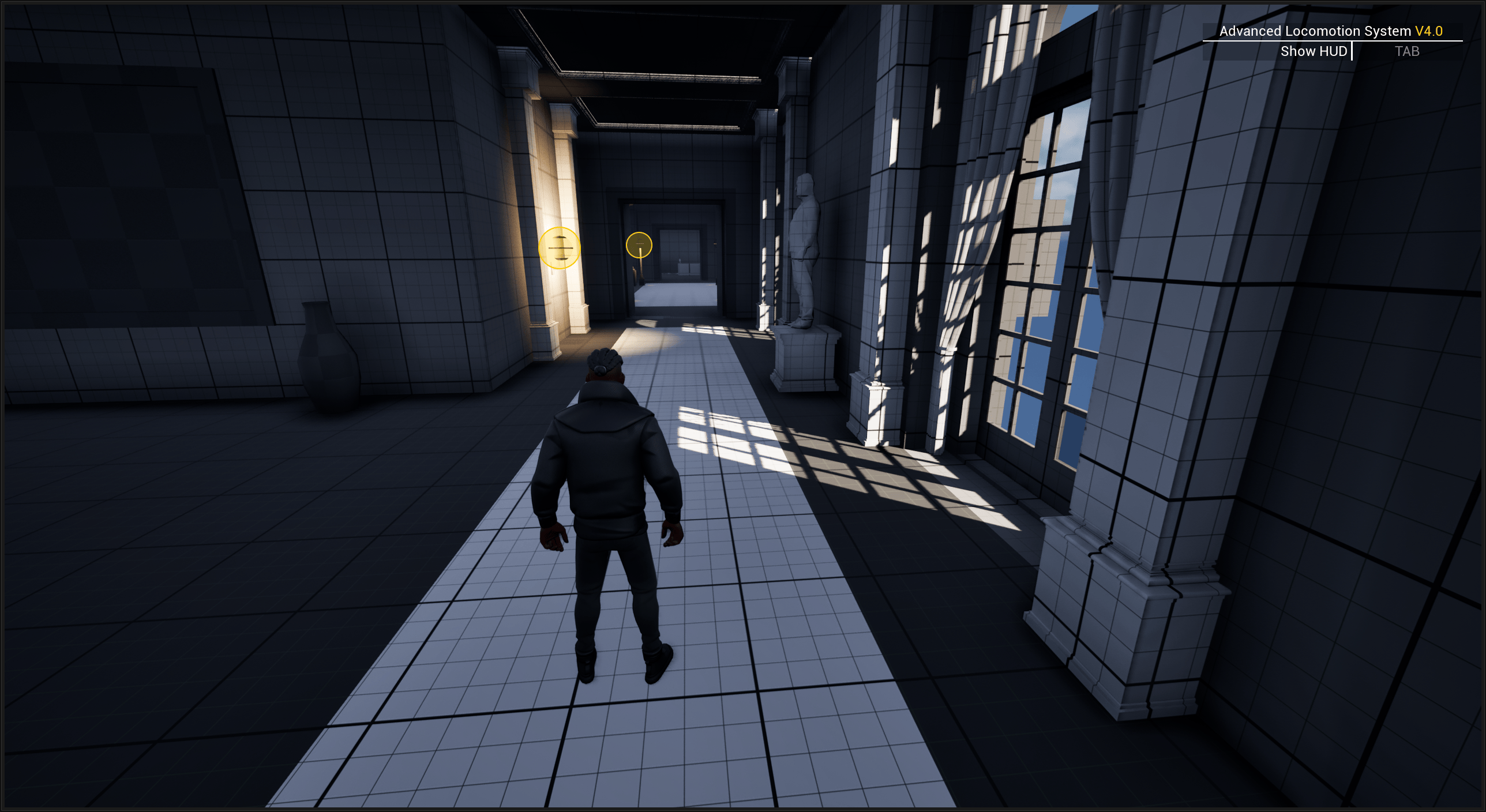
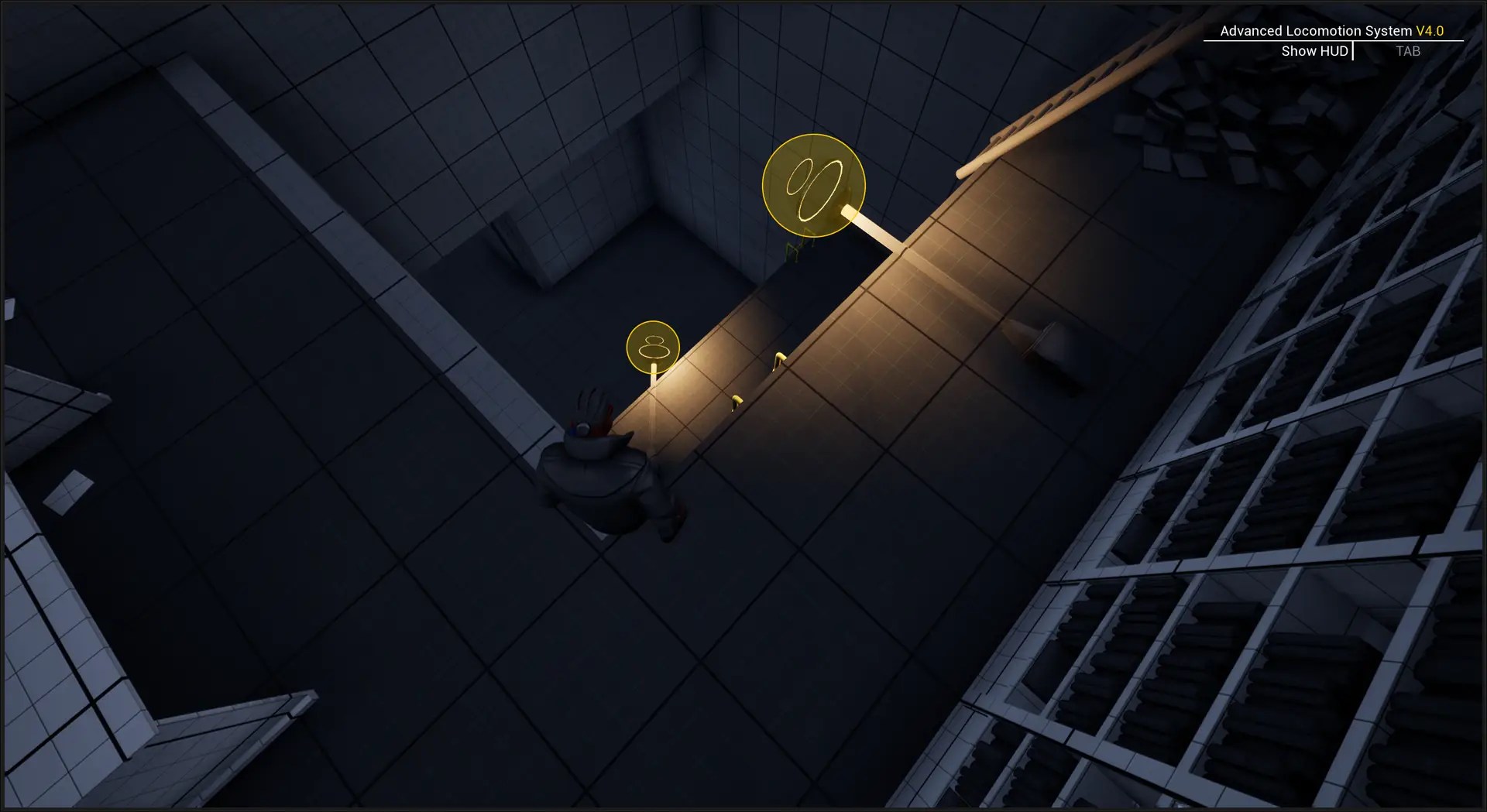
Lighting is used as a diegetic guidance tool: light points prioritize the space, structure the sightlines, and highlight the critical path. This staging improves the environment’s readability and naturally guides the player’s progression without resorting to interface markers.
Defeating the boss constitutes a progression milestone: the key item obtained validates the success of the confrontation and is used to open a door located further ahead, ensuring controlled progression.


This first iteration aimed to validate the spatial readability and pacing of the level. The blockout allowed for testing the clarity of routes and landmarks, then the lighting was calibrated to reinforce diegetic guidance and prioritize paths. Enemy and boss placement was then adjusted to structure the combat rhythm, while save points were positioned in order to control progression and risk management.
I iterated on several beats in order to improve engagement and overall rhythm.
Garden redesign: adding verticality and visual landmarks to improve readability, enrich exploration, and vary pacing.
Hall and corridor adjustment: narrowed the space to strengthen sightlines, improve spatial readability, and increase tension through tighter movement.
For the next iterations, the objective is to improve guidance, replace the static enemies with AI to make interactions more dynamic, add a dialogue system, then integrate a minimalist interface and combat mechanics in order to achieve a more coherent and engaging prototype.